If your hot water has been a bit ordinary lately, you are not imagining it. Winter has a way of exposing hot water systems that were already quietly doing it tough. One day it is fine, the next you are standing under a lukewarm shower wondering what happened. Nine times out of ten, nothing dramatic has gone wrong. The system just hit its limit.
Cold Weather Does Not Break Hot Water Systems It Reveals Them
Here is the thing most people do not realise. A hot water system that is struggling in winter was probably already working harder than it should have been in summer. The cold just pushed it over the edge.
When the temperature drops in the Wentworth district, your hot water system has to work much harder to get incoming cold water up to temperature. In summer, the water coming into your tank or unit might already be reasonably warm from sitting in the pipes and the ground. In winter, that same water is coming in significantly colder, which means the system needs to put in more effort just to reach the same result.
If the system is already a bit tired, running an element that is not quite right, or dealing with sediment buildup in the tank, winter is when you feel it. Not because something suddenly broke, but because the margin for error disappeared.
I spent a winter season in Antarctica maintaining plumbing infrastructure, and I can tell you that cold water temperature is no small thing when it comes to how hard a hot water system has to work. The basic physics are the same whether you are at the bottom of the world or standing in your bathroom in Buronga.
The Most Common Reasons a System Struggles in Winter
There are a handful of things that tend to come up again and again when a hot water system starts underperforming in the colder months.
Sediment in the tank. Over time, minerals from the water settle at the bottom of a storage hot water tank. This layer of sediment acts as insulation between the heating element and the water, making the system far less efficient. The system runs longer, uses more energy, and still struggles to keep up when demand is high.
A failing or underperforming element. Electric storage systems typically have two elements. If one has given up, the remaining element is carrying the full load. In summer you might not notice much. In winter, with colder incoming water and longer hot showers, the single working element simply cannot keep pace.
A thermostat set too low or drifting out of calibration. The thermostat tells the system what temperature to reach. If it is set conservatively or has drifted over time, the water in the tank might not be as hot as you think it is, and you will burn through it faster.
An ageing system that has reached the end of its useful life. Most storage hot water systems are built to last around 10 years with reasonable maintenance. Beyond that, efficiency drops off and reliability becomes unpredictable. An older system might coast through a mild winter and then really show its age during a cold snap.
Uninsulated pipes in cold areas. If the pipes running from your hot water system are exposed to cold air, particularly under the house or along an external wall, heat loss along the way can be significant. The water leaves the tank hot and arrives at the tap noticeably cooler.
What a Check Actually Involves
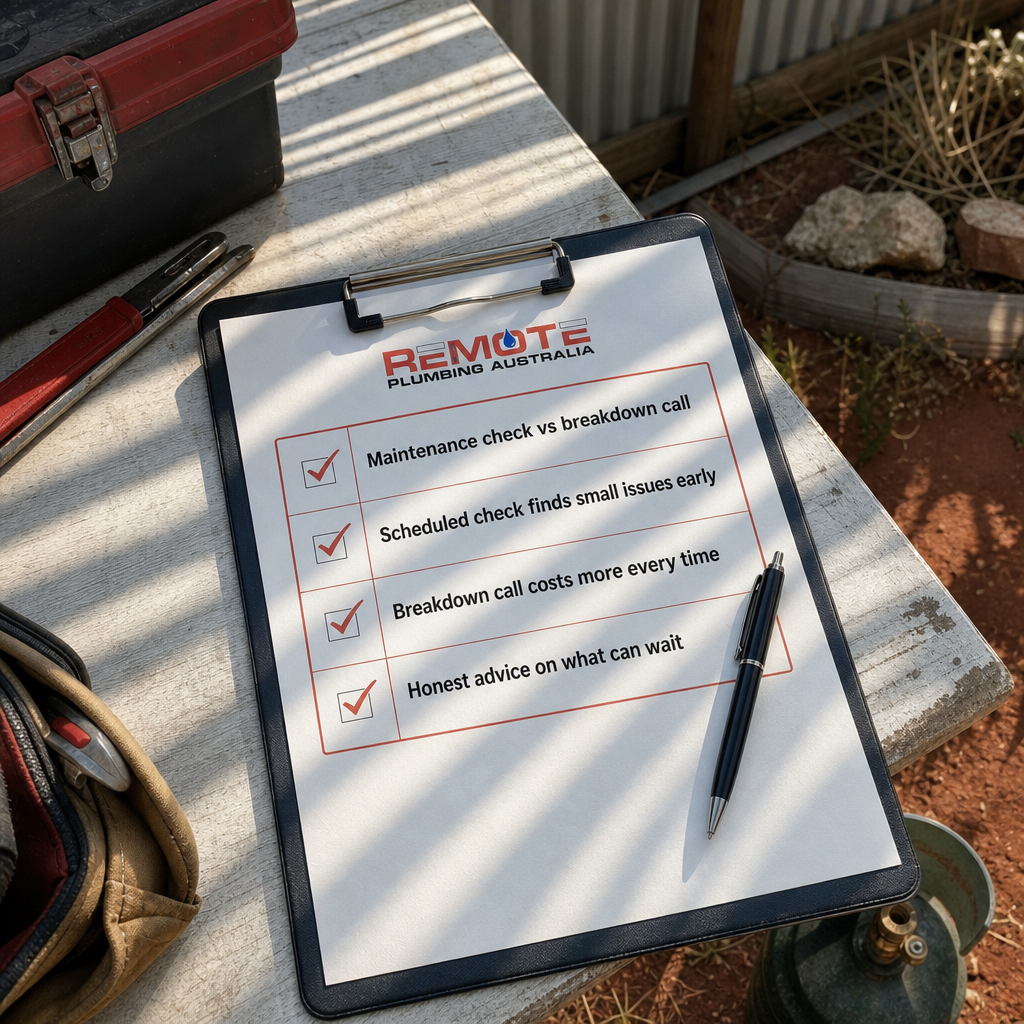
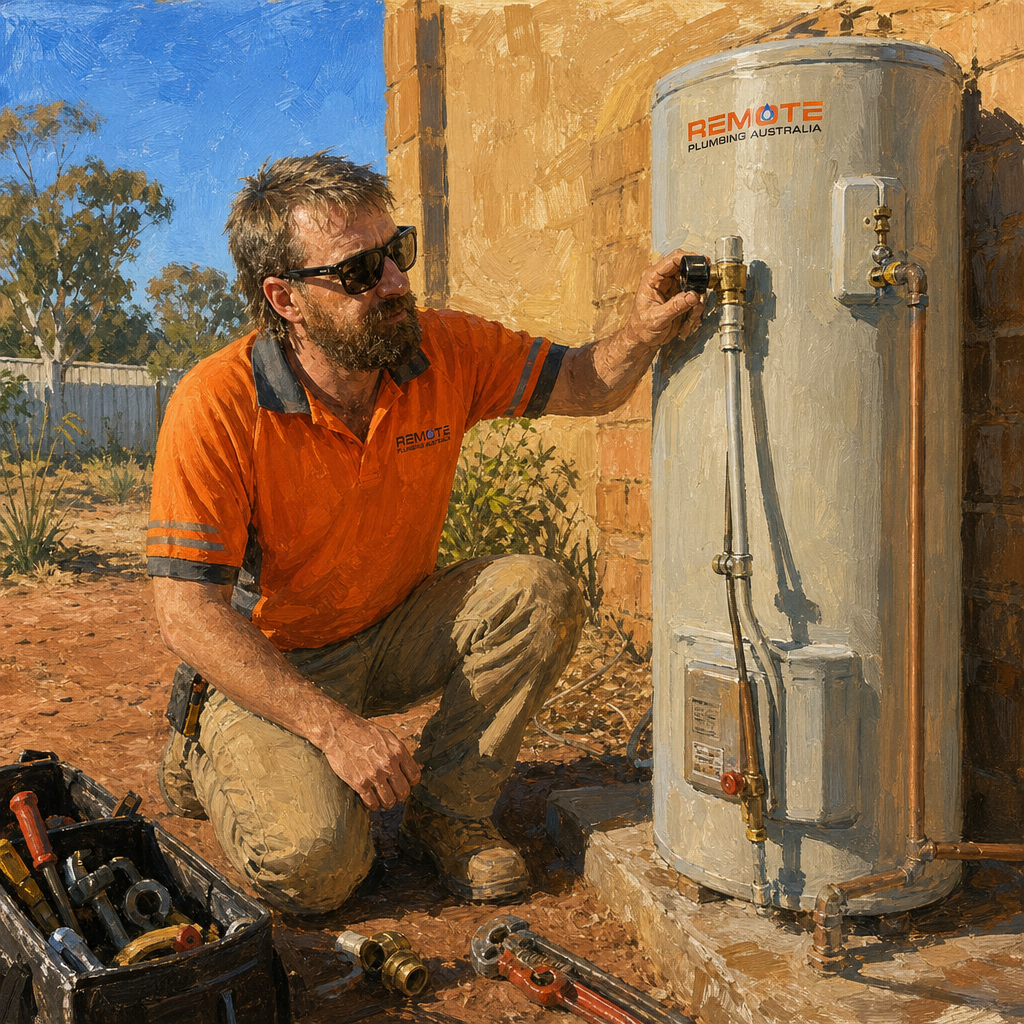
A proper hot water check before or during winter is not a big job in most cases. It is a matter of having someone who knows what they are looking at take a look before a minor issue becomes an urgent one.
That means checking the anode rod, which is a sacrificial component inside the tank designed to corrode before the tank itself does. When it is spent, the tank starts corroding instead. Replacing it on schedule is one of the most cost effective things you can do to extend the life of a storage system.
It means flushing sediment from the base of the tank, testing the pressure relief valve to make sure it is operating correctly, and checking that the thermostat and elements are doing what they should be doing.
On a gas system, it means checking the burner, the flue, and the gas valve to make sure the system is running efficiently and safely.
None of this takes long. But skipping it for years is how you end up with a cold shower on the worst morning of winter, or worse, a leaking or failed system that needs urgent replacement rather than a straightforward repair.
When It Might Be Time to Replace
Sometimes a check reveals that the system is genuinely past its best and maintaining it further is not worth the money. That is not always easy news to hear, but it is better to know it in June than to have the system give out on you in July.
If your system is getting on in years and starting to show signs of fatigue, it is worth having an honest conversation about whether repair or replacement makes more sense. A newer, more efficient system will generally perform better through winter and cost less to run, so there is often a practical upside to replacing an ageing unit rather than patching it along.
There is no pressure either way. The right answer depends on the age and condition of the system, your household's hot water needs, and what makes financial sense for you. That is a conversation worth having with someone whose advice you can trust, not someone who is just trying to sell you a new unit.
Do Not Wait for the Cold Shower
The pattern we see most often is that people notice the warning signs, assume it will sort itself out, and then find themselves dealing with the problem at the worst possible moment. A system that is slow to recover between uses, making unfamiliar noises, or producing water that is not as hot as it used to be is already telling you something.
Winter in the Wentworth district is not Antarctic winter, but it is still cold enough that a working hot water system is not a luxury. Getting it checked before the coldest weeks hit is one of those small things that saves a lot of grief.
If your hot water has been a bit average lately, give Brad a call and get it looked at properly. No hard sell, just a straight answer about what is going on and what it will take to fix it.
Need a plumber in Mildura? Call Brad on 0411 755 399 or visit remoteplumbingaustralia.com.au