There is a lot of plumbing advice floating around out there. Some of it comes from well meaning neighbours. Some comes from a bloke at the hardware store. Some of it has been passed down like family folklore for so long that people just accept it as fact. Hot water systems seem to attract more myths than almost any other part of the home, and in a climate like ours here in Sunraysia where systems work hard year round, believing the wrong thing can quietly cost you money or leave you without hot water at the worst possible time. So let's clear a few of these up.
Myth 1. If the water is hot, the system is fine
This one is probably the most common. The hot water comes out of the tap, so everything must be working as it should. Right?
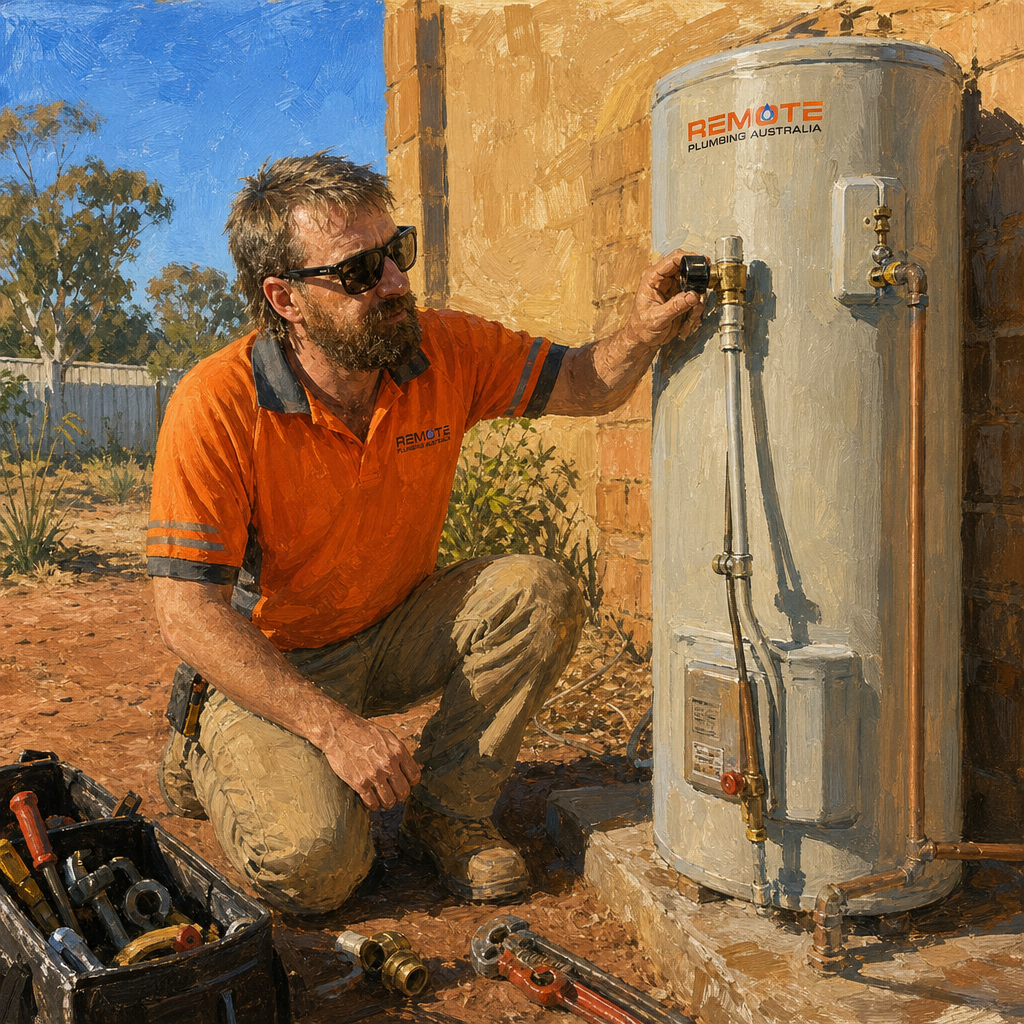
Not necessarily. A hot water system can be producing hot water and still be operating well below its best. A sacrificial anode inside your storage tank could be completely depleted, leaving the tank lining exposed to corrosion. A pressure relief valve could be weeping quietly and wasting water every single day. Sediment can build up at the bottom of a tank and force the system to work much harder than it needs to, shortening its lifespan significantly without ever giving you an obvious sign that something is wrong.
In many cases, the first sign homeowners notice is either a cold shower or a hefty power bill. By that point, the damage is already done. A system that gets checked periodically tends to last longer and cost less to run. That is just how it works.
Myth 2. Turning the thermostat up means you get more hot water
This one is genuinely dangerous, not just wrong. Winding the thermostat up high does not create more hot water. It raises the stored water temperature, which increases the scalding risk for anyone using the taps, particularly children and elderly people. Australian regulations exist specifically around safe hot water delivery temperatures for this reason.
If you are running out of hot water, the thermostat setting is almost never the real problem. The more likely causes are a tank that is undersized for your household, a failing element or burner, sediment reducing the effective capacity of the tank, or simply more people using hot water than the system was designed for. A proper look at the system will tell you what is actually going on.
Tempering valves and mixing valves are there for a reason. Bypassing their purpose by cranking the thermostat is not a fix. It is a hazard dressed up as a solution.
Myth 3. A leaking hot water system just needs a tighten
Sometimes a fitting works loose and a tighten is exactly what it needs. That is true. But a leak on a hot water system deserves more attention than most people give it, because where the leak is coming from tells a very different story depending on its location.
A drip from the pressure relief valve, for example, is not just a loose connection. It is the valve doing its job, which means something upstream caused it to activate. That could be excessive pressure in the system, thermal expansion, or a fault with the valve itself. Tightening the valve or putting a bucket under it and hoping for the best is not a solution to any of those things.
Leaks from the base of a storage tank are often a sign that the tank itself has corroded through from the inside. At that point, a repair is rarely the right answer. The most common situation in those cases is that a replacement conversation is the honest and practical one to have.
Myth 4. Hot water systems last forever if you leave them alone
Storage hot water systems in Australia typically carry a warranty of around five to ten years on the tank, and a realistic service life of somewhere between ten and fifteen years depending on water quality, usage and how well they have been looked after. Here in Mildura and Greater Sunraysia, the water is reasonably hard by national standards. Mineral buildup is a real factor that affects every hot water system in the region over time.
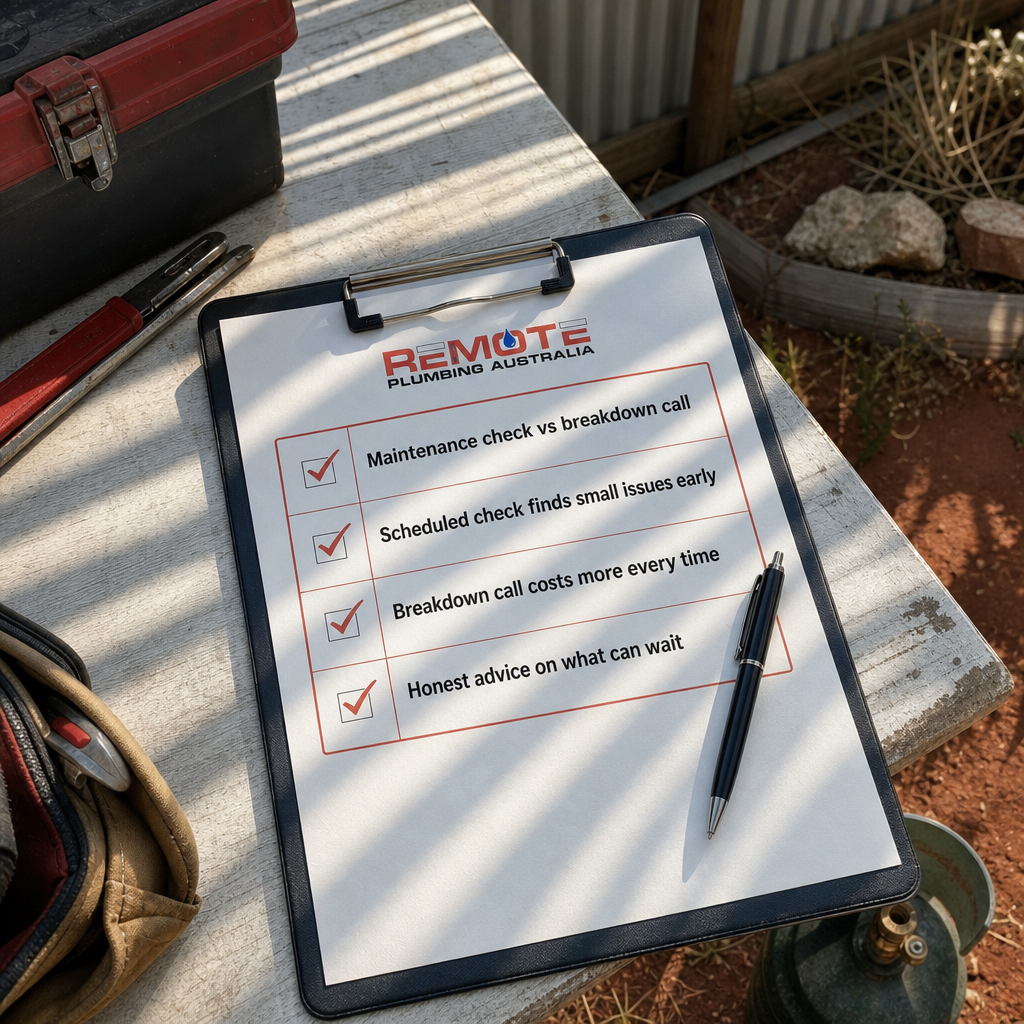
Leaving a system completely alone until it fails is genuinely the most expensive approach you can take. Systems that fail suddenly tend to fail at inconvenient times, and an emergency replacement almost always costs more than a planned one. Having someone cast an eye over the system every couple of years, check the anode, test the valve and make sure everything is running efficiently, is the kind of thing that saves money in the long run rather than costing it.
After more than twenty years in the trade, working across environments ranging from remote communities in Central Australia to a high security defence facility in the Northern Territory and two seasons maintaining infrastructure at Casey Station in Antarctica, the pattern I see is always the same. The systems that last are the ones that get a bit of attention before they need it.
Myth 5. Any plumber can service your hot water system the same way
Licensing matters. In Victoria, plumbing work must be carried out by a licensed plumber, and hot water system work is no exception. Beyond the licence itself though, familiarity with different system types really does make a practical difference.
Storage systems, continuous flow systems, heat pump systems and solar setups all behave differently, fail differently, and require a different approach. A plumber who works across all of them regularly will pick up on things that someone less familiar might miss. That is not a knock on anyone. It is just how trade experience works in practice.
The other thing worth mentioning here is the difference between a plumber who turns up and gives you a straight answer versus one who runs through a call centre and dispatches whoever is available. When you call a direct number and the same person answers, assesses the job and does the work, you tend to get better communication and more consistent results. There is a reason that model works well for homeowners and property managers alike.
The short version
Hot water systems are not complicated, but they do need a bit of respect. Hot water coming out of the tap is not the same as a system running well. High thermostat settings create risk, not more hot water. Leaks deserve investigation, not just a bucket. And the cheapest approach over time is almost never ignoring the system until it breaks.
If your hot water system is more than eight years old, making unfamiliar noises, taking longer to recover than it used to, or you just cannot remember the last time anyone looked at it, it is worth having a conversation. No pressure, no hard sell. Just an honest look and a plain answer about where things stand.
Need a plumber in Mildura? Call Brad on 0411 755 399 or visit remoteplumbingaustralia.com.au