There are not many things more frustrating on a cold Wentworth morning than standing at the sink waiting for hot water that is taking its sweet time. You know the feeling. You turn the tap, the cold water runs and runs, and you are standing there wondering if something has gone wrong. Sometimes it has. Often it has not. Here is how to tell the difference.
The Simple Reason Hot Water Takes a While to Arrive
Before you start worrying about the hot water unit itself, it is worth understanding what is actually happening inside the pipes. When you turn off the hot tap, the hot water sitting in the pipe just cools down. It does not go anywhere. It just sits there and loses heat. Next time you turn the tap on, all that cooled water has to push out of the pipe before the fresh hot water from the unit can travel down to reach you.
The longer the pipe run between your hot water unit and the tap, the more water has to clear before the hot stuff arrives. A tap on the other side of the house from the unit is always going to take longer than a tap right next to it. That is just physics. It is the same reason I used to see long lag times in remote community homes out in Central Australia, where the infrastructure was often stretched over large distances and buildings. Same principle, just on a bigger scale.
In most homes, a wait of anywhere from 20 seconds to a couple of minutes is completely normal depending on the layout. If it has always been that way and nothing has changed, you are probably fine.
Why Winter Makes It Worse
Cold weather slows everything down, and your hot water is no exception. In winter, the pipes themselves are cold. The water sitting in them is cold. The ground around buried pipes is cold. All of that means the water travelling from your unit to the tap loses heat faster along the way, and the cold water sitting in the pipe at the start takes longer to flush out because it is not getting any warmth from the surrounding environment.
Here in Wentworth we get genuine winters. Not Antarctic winters, but cold enough that your pipes feel it. Minimum temperatures dropping to single digits overnight is enough to make a noticeable difference to how long your hot water takes to arrive in the morning, especially first thing when the whole system has been sitting still and cold all night.
So if your hot water seems slower in June than it did in February, that is almost certainly just the season doing its thing. Not a fault. Not a failing unit. Just the reality of cold pipes and cold mornings.
When the Slowness Is Actually Telling You Something
Here is where it gets worth paying attention. There is a difference between seasonal slowness and something genuinely going wrong.
If your hot water is taking noticeably longer than it did last winter, not just longer than summer, that is a flag. Year on year comparison matters here. If last winter the water was at the tap in 45 seconds and this winter it is taking two minutes, something has probably changed inside the system.
The most common culprit is sediment. Over time, minerals in the water settle at the bottom of the storage tank. As that layer builds up, it acts as an insulating barrier between the heating element or burner and the water. The unit has to work harder and longer to heat the same volume of water. The water comes out slightly less hot, or takes longer to get there, or both.
The other thing to watch for is water that never quite reaches the temperature it used to. If your morning shower used to be comfortably hot and now it is warm at best, even after giving it plenty of time, that is a sign the unit is starting to struggle. Could be the element. Could be sediment. Could be early signs that the unit is ageing out. A quick look by someone who knows what they are doing will tell you which.
What You Can Actually Do About It
Some of the slow delivery time is just the nature of your plumbing layout and there is not a lot to be done about it without major work. If the unit is on one end of the house and the kitchen is on the other, that pipe run is what it is.
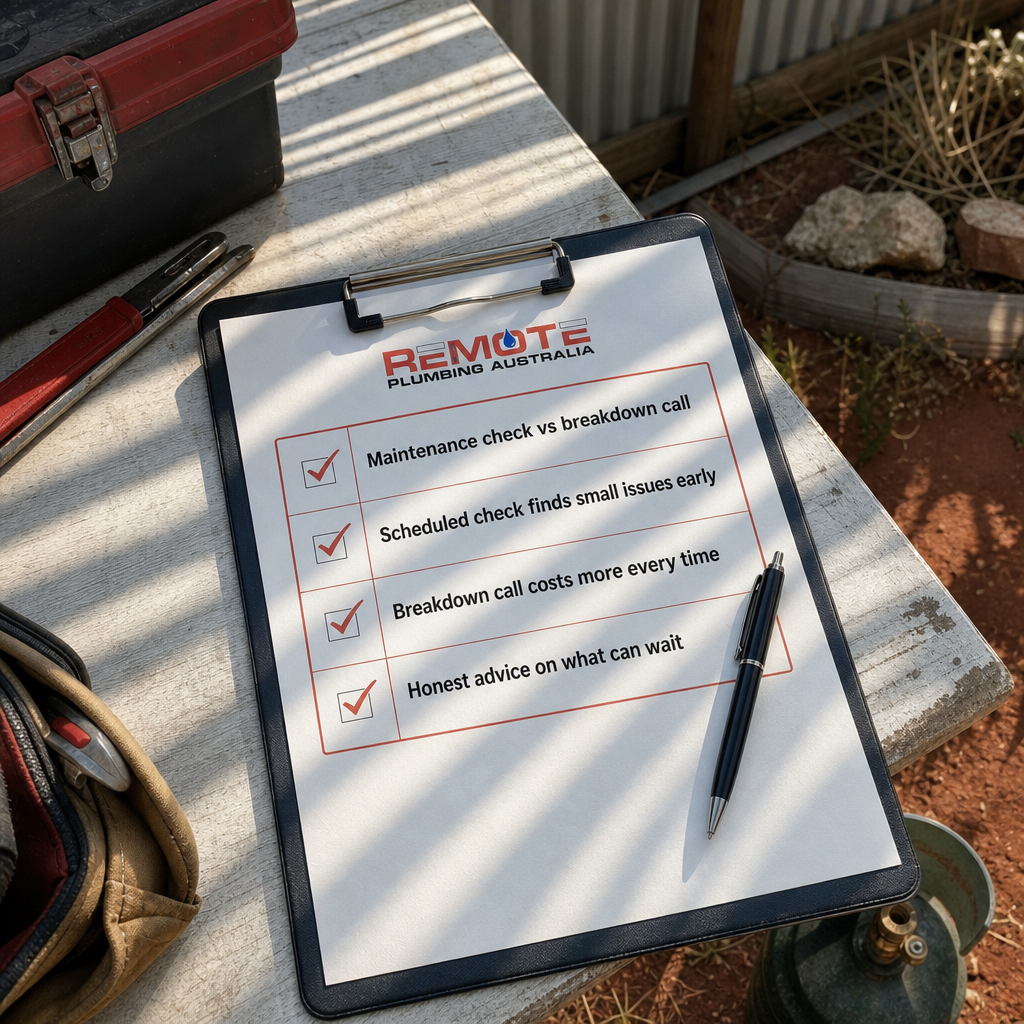
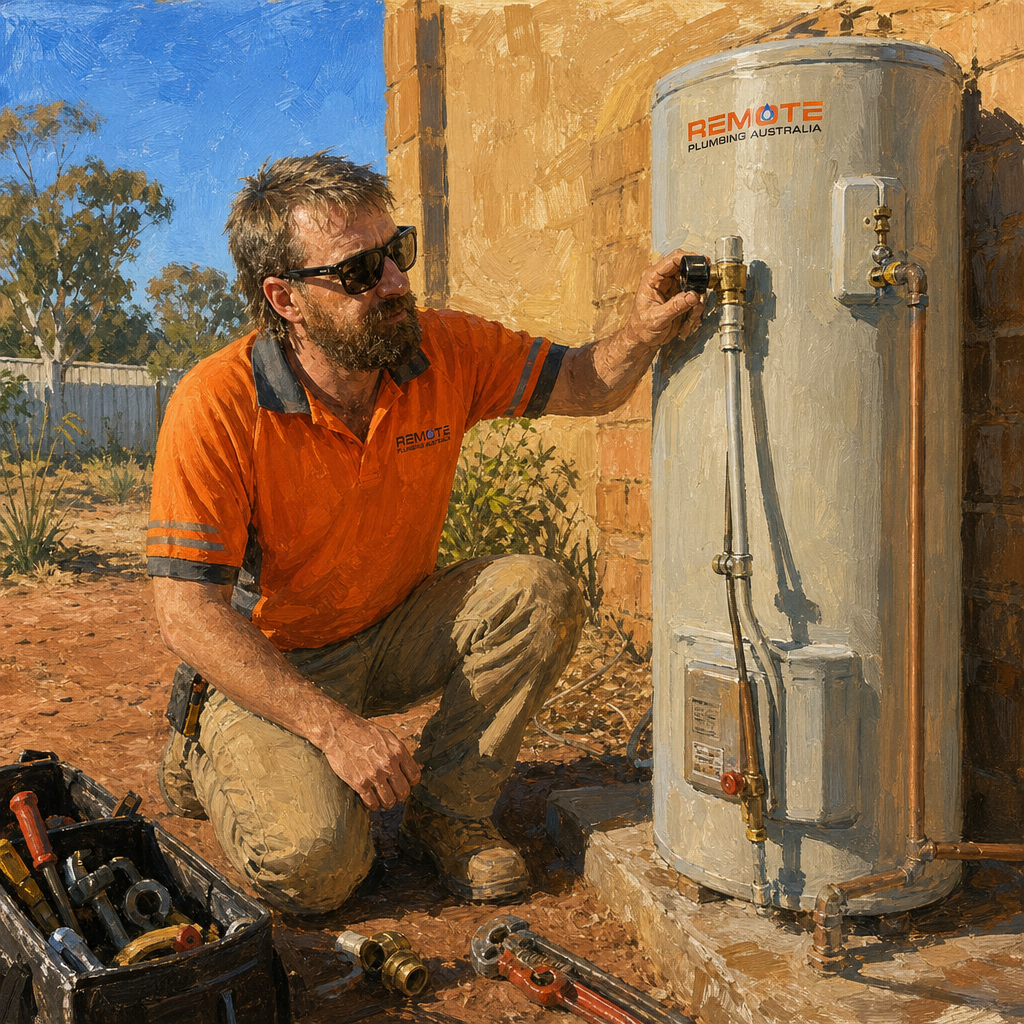
What you can do is make sure the system itself is working as well as it should be. Hot water units that are regularly checked and maintained hold their efficiency for much longer than ones that are left to run until they fail. Flushing sediment from the tank, checking the anode rod, and making sure the thermostat is set and functioning correctly are all part of keeping a unit in good shape. These are not complicated jobs but they do make a real difference to how long your unit lasts and how well it performs.
If you are in an older home or the unit has not been looked at in a few years, getting it checked before the middle of winter is a smart move. Dealing with a failing hot water system when it is cold outside and you have a household relying on it is not a fun situation. Better to get ahead of it.
How Old Is Your Unit?
It is worth knowing. Most storage hot water systems have a service life of roughly 8 to 12 years. Heat pumps and continuous flow systems vary. If your unit is nudging that range and you are noticing performance changes, it is reasonable to start thinking about what comes next rather than waiting for a failure.
A failing unit rarely announces itself clearly in advance. More often it just gradually gets worse until one morning there is no hot water at all. Having a conversation about replacement options before that happens gives you time to make a good decision rather than a rushed one.
Working in places where a replacement part was weeks away if you were lucky, you learn quickly that getting ahead of a problem is always the better play. The same thinking applies here. A bit of attention now saves a lot of inconvenience later.
If your hot water is behaving differently this winter and you are not sure whether it is just the cold or something worth getting looked at, give Brad a call. A quick look at the unit is usually enough to tell you where things stand, and honest advice is always free.
Need a plumber in Mildura? Call Brad on 0411 755 399 or visit remoteplumbingaustralia.com.au