Water pressure is one of those things you never think about until it changes. Then it is all you notice. A shower that used to feel decent now barely rinses the shampoo out. Or a tap that used to run fine suddenly sounds like it is trying too hard. Either way, your house is telling you something, and it is usually worth listening.
The good news is that most water pressure issues have a pretty clear cause once you know what to look for. Here is a straightforward rundown of what is going on and why it matters.
When the Whole House Loses Pressure
If pressure is down across every tap, every shower, every outlet in the house, the problem is not inside the house. It is upstream of everything. The three most common culprits are the water meter, a valve that has been partially closed somewhere along the line, or a leak in the supply pipe between the meter and your home.
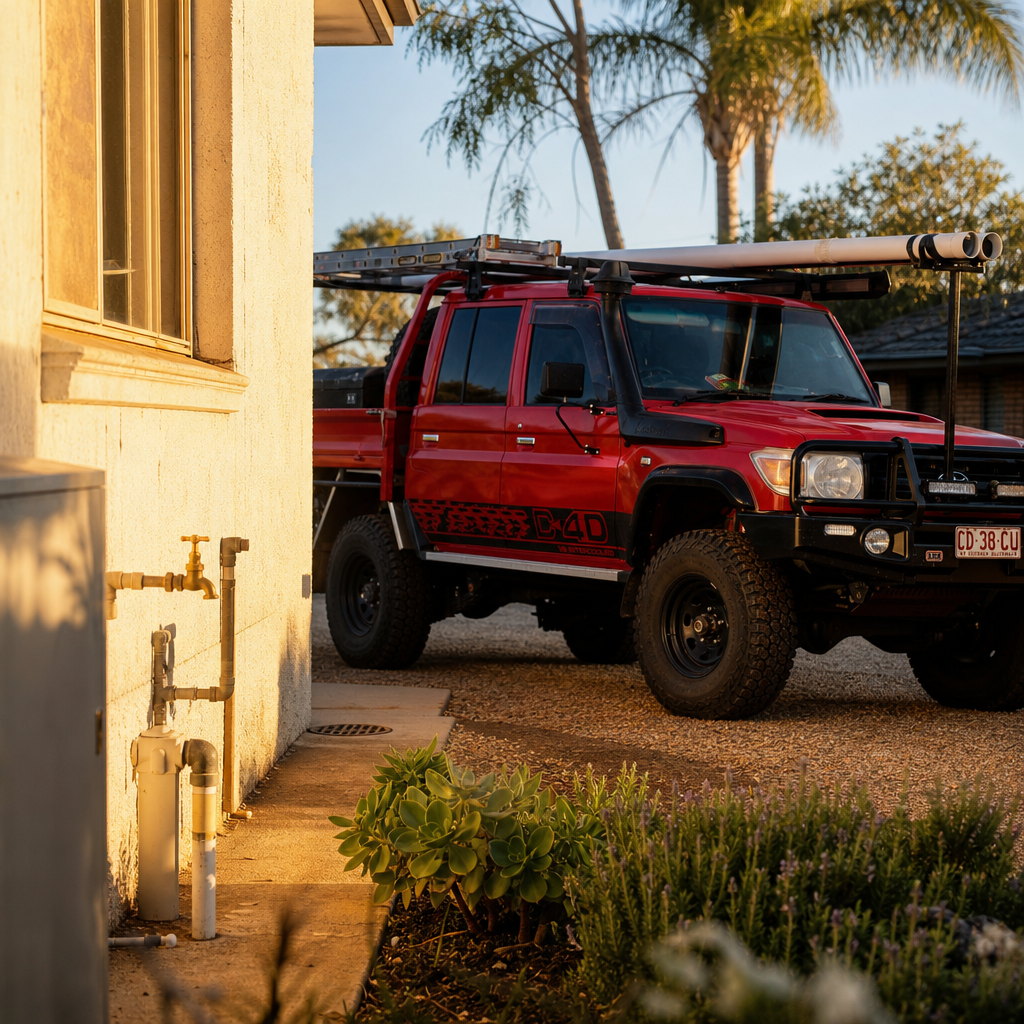
A partially closed valve is actually more common than people think. Sometimes it happens after maintenance work, sometimes a valve gets knocked or turned without anyone realising. Worth checking the isolation valve near your meter first. It should be fully open, sitting parallel with the pipe, not at an angle.
If the valve is fine and pressure is still low, there may be a leak in the line you cannot see. Underground pipes can leak for a long time without surfacing, quietly bleeding pressure and adding to your water bill. If you notice wet patches in the lawn, a higher than usual bill, or the sound of running water when everything is turned off, that is a strong sign something is leaking underground. That kind of diagnosis needs a licensed plumber with the right gear to track it down properly.
When It Is Just One Tap or One Shower
If pressure is fine everywhere else but weak at a single point, the fix is usually much simpler. Two things cause this almost every time: a blocked aerator or a worn cartridge.
The aerator is the small mesh screen screwed onto the end of a tap spout. Its job is to mix air into the water flow to keep it smooth and reduce splash. Over time, mineral deposits and sediment build up in that mesh and restrict the flow. A blocked aerator feels exactly like low pressure. Unscrewing it, giving it a clean, and screwing it back on often fixes the problem straight away.
If it is a shower that has lost pressure or started running unevenly, the cartridge inside the mixer valve is often the cause. Cartridges wear out over time, especially in areas with harder water, and when they start to go, flow and temperature control both suffer. A cartridge replacement is a straightforward job that makes a noticeable difference.
Working in remote communities across Central Australia for years, you get a feel for which plumbing problems are simple and which ones are hiding something bigger. A weak single tap almost always falls into the simple category. The whole house losing pressure is where you want to dig a bit deeper.
High Pressure: The Problem People Miss
Low pressure gets all the attention, but high pressure is the one that quietly costs people money. Most people assume high water pressure is a good thing. It is not.
When mains pressure is too high, it puts stress on everything it runs through. Washers wear out faster. Valves start to drip or weep. Fittings under the sink take a hammering. Hot water systems, dishwashers, and washing machines are all rated to operate within a certain pressure range, and running them above that range shortens their life. You will not hear a dripping tap or a failing valve on day one. You will just find yourself replacing things more often than you should, and wondering why.
The fix is a pressure reducing valve, or PRV. It sits on the incoming supply and brings the pressure down to a level your plumbing can handle comfortably. It is a one time job that protects everything downstream. In areas where mains pressure runs high, a PRV pays for itself in reduced wear and fewer callouts over time.
If you are not sure whether your pressure is within the right range, a plumber can check it quickly with a gauge. It takes a few minutes and tells you straight away where things stand.
How to Know If Something Has Changed
You do not need a gauge to notice a pressure problem. You just need to pay attention to how your plumbing normally feels. The most reliable signal is change. If a shower that was always strong starts to feel weaker over a few weeks, something is happening. If a tap that ran quietly starts to hammer or surge, that is worth investigating. If your hot water system takes noticeably longer to deliver hot water to the tap, pressure could be part of the picture.
Most pressure issues do not fix themselves. A partially closed valve stays closed. A leaking line keeps leaking. A worn cartridge keeps wearing. Catching things early means the job stays simple. Leaving them tends to mean more work and more cost down the track.
The other thing worth knowing is that water pressure problems sometimes interact with each other. A supply leak can drop overall pressure, which puts more demand on fittings elsewhere in the system. Getting a clear picture of what is actually happening usually means having someone who knows what they are looking at walk through the system properly, rather than guessing at the symptom and hoping for the best.
What You Can Do Right Now
If you have got low pressure at a single tap, unscrew the aerator and check it for buildup. That is a no tools job anyone can do. If it is clean and pressure is still weak, the cartridge is the next thing to look at, and that is a job for a plumber.
If pressure is down across the whole house, check the isolation valve at the meter is fully open. If it is and pressure is still off, there may be something happening in the supply line that needs a proper look.
If you have never had your water pressure checked and your taps, appliances, or fittings seem to be wearing out faster than they should, it is worth asking whether high pressure might be a factor. A pressure check takes no time at all and gives you a straight answer.
When something feels different to how it used to, that is usually the right time to get it looked at. Not because it is definitely urgent, but because finding out early is almost always cheaper than finding out late.
Need a plumber in Mildura? Call Brad on 0411 755 399 or visit remoteplumbingaustralia.com.au.