There is something particularly brutal about losing hot water in the middle of winter. You reach for the shower tap, wait for the warmth that does not come, and suddenly the day has a completely different feel to it. It happens a lot across Sunraysia during the colder months, and most of the time the cause is one of a handful of things. Knowing what to look for can save you a cold morning and, in some cases, a much bigger repair bill down the track.
The Most Common Reasons Hot Water Disappears in Winter
When the hot water goes out, there are a few usual suspects worth checking before anything else.
On a gas unit, the first thing worth checking is whether the pilot light has gone out. Wind, a gas supply interruption, or just age can knock it out. Many units have relighting instructions printed on the front panel, and if yours does, that is worth a look. If it will not relight, or if it keeps going out after relighting, that is a sign something else is going on and it is worth getting it looked at properly.
A failed thermostat is another common one. The thermostat is what tells the system to heat the water to the right temperature. When it gives up, you can end up with water that is either cold, barely warm, or sometimes scalding. Either extreme is a problem, and a thermostat replacement is usually a straightforward fix when caught early.
Then there is the third scenario, the one nobody really wants to hear about. The system has reached the end of its life. Most hot water units have a working life of around 8 to 12 years depending on the type, the water quality in your area, and how well they have been maintained. When a unit is near the end of that window, winter is often when it finally gives up, because the system is working harder than it does in warmer months.
The Warning Sign Worth Paying Attention To
The thing worth knowing is that most systems do not go from fine to completely dead overnight. They tend to give you signals first. Lukewarm water when you expect it to be hot is probably the most common one. You turn the tap on, the water gets to about 60% of where it should be, and you tell yourself it will sort itself out. Sometimes it does, briefly. But in most cases, that lukewarm patch is the system telling you it is struggling.
A system working too hard to maintain temperature can also drive up your energy bills noticeably. If your gas or electricity bill has crept up without an obvious reason, it is worth adding that to the list of things to mention when you get someone to look at the unit.
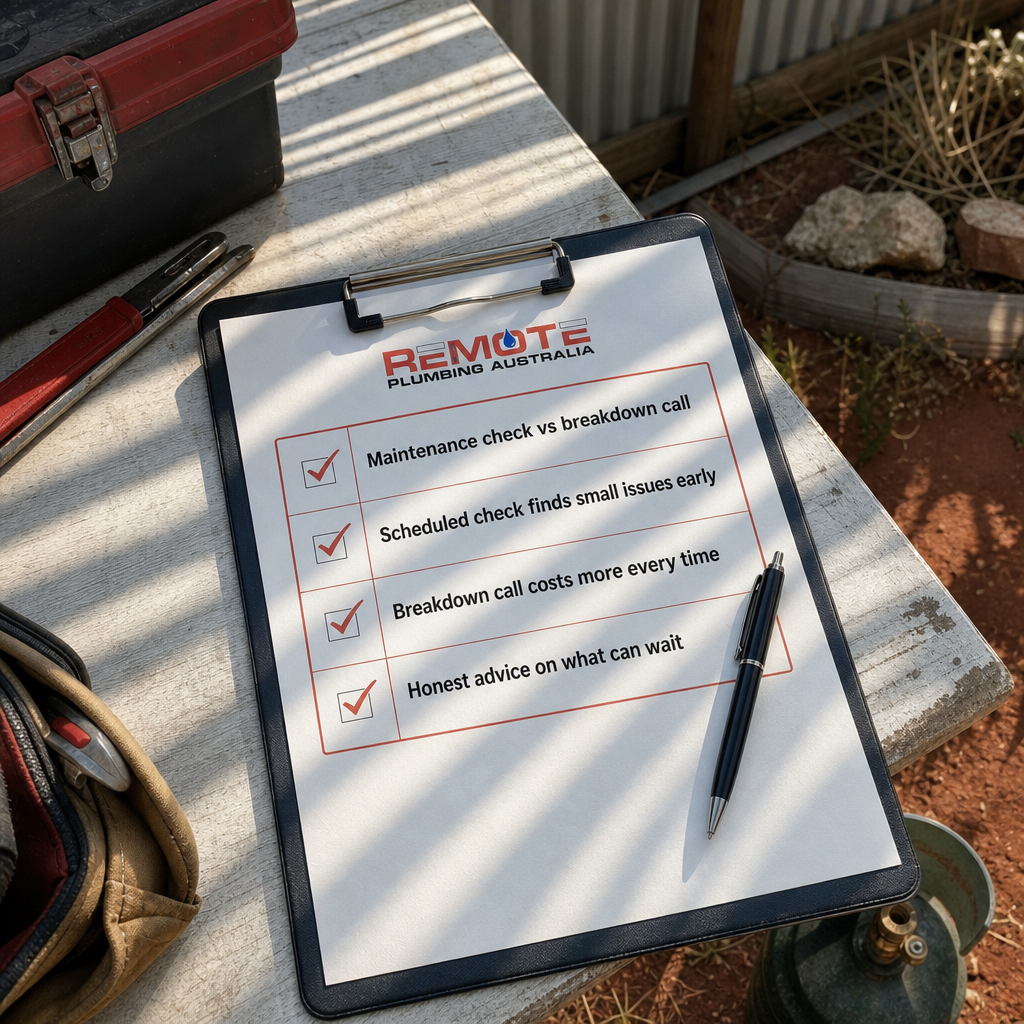
The practical reality is that catching the problem during that early warning phase gives you options. You can assess whether the unit is worth repairing or whether it makes more sense to replace it, you can plan for the cost rather than absorb it as an emergency, and you can book a time that works for you rather than scrambling on a cold Monday morning.
Gas, Electric, and Heat Pump: Does It Matter Which One You Have?
The type of system you have does affect what can go wrong and how it gets fixed, though the broad patterns are similar across all three.
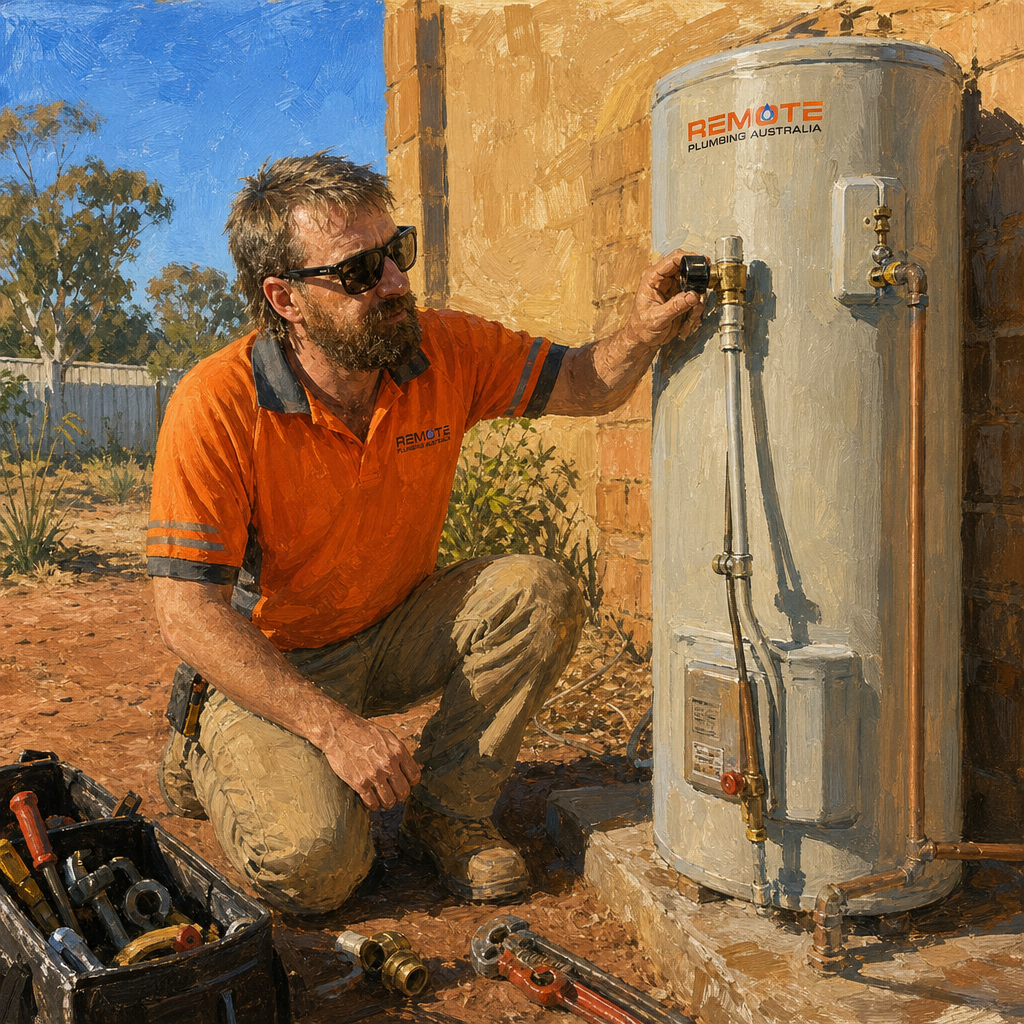
Gas systems are generally fast to heat water and tend to be more vulnerable to pilot light issues and thermostat problems as they age. They also have a sacrificial anode rod inside the tank, which is there specifically to extend the life of the unit by absorbing corrosion. When the anode rod is spent and not replaced, the tank itself starts to corrode, and that is when you start seeing rust coloured water or the early signs of a failing tank.
Electric storage systems have similar tank mechanics but work differently in terms of the heating element. A failed element is one of the more common callouts on electric units and is often a repair rather than a replacement job, depending on the age of the system and the condition of the tank.
Heat pump systems are becoming more common across Sunraysia and they are genuinely efficient in the right conditions. They can be more sensitive to temperature because they draw warmth from the surrounding air. In a cold snap they work harder, and if there is an issue with the compressor or the refrigerant circuit, output can drop off noticeably. Heat pump faults are more involved to diagnose but they are not mysterious once you know what to look for.
What to Do When the Hot Water Goes Out
The first thing is to not panic, and the second thing is to not ignore it. A system that has stopped working will not fix itself.
For gas units, check the pilot light first as described above. Check that your gas supply is on and working at other appliances in the house. If both of those are fine and the unit still will not produce hot water, it is time to call a plumber.
For electric units, check the circuit breaker. A tripped breaker is an easy first check. If the breaker is fine and the unit is getting power but producing no hot water, or if the breaker keeps tripping, get it looked at.
For any system where you can see water pooling around the base of the unit, or you can smell gas near a gas unit, act quickly. Water around the base usually means a failing tank, and a gas smell is something to take seriously. Turn off the gas at the metre and call a licensed gas fitter.
The general rule: if you are unsure, call someone. Hot water systems involve gas or high voltage electricity or both, and they are not the kind of thing to troubleshoot beyond the basics.
Repair or Replace: The Honest Answer
This is the question most people want answered, and the truthful answer is that it depends on a few things. The age of the system, the nature of the fault, the type of unit, and whether there are any signs of tank failure all factor into the decision.
As a rough guide, if a system is under eight years old and the fault is an isolated component like a thermostat or an element, repair is usually the right call. If the system is ten years or older and starting to show multiple symptoms, or if there are signs of tank corrosion or leaking, replacement tends to make more financial sense in the long run. A repaired tank that is already corroding is still a failing tank.
What matters most is getting an honest assessment from someone who will tell you the truth rather than the most profitable answer. The right call for your situation depends on what is actually happening with your system, and you should know the options and the costs before any decision is made.
If the hot water is playing up at your place, get it checked before a cold morning makes the decision for you. Brad covers Mildura, Wentworth, Dareton, Buronga, Gol Gol, and the wider Sunraysia region. Same day attendance is available for urgent no hot water callouts. Give him a call or a text and he will talk you through what is going on before anything else happens.
Need a plumber in Mildura? Call Brad on 0411 755 399 or visit remoteplumbingaustralia.com.au.