Water leaks have a way of showing up at the worst possible time. Middle of the night, middle of a Mildura summer, or right when you've got a house full of people. The first thing most homeowners want to know is simple enough. Do I need to call someone right now, or can this wait until morning?
It's a fair question and honestly it's one worth thinking through before you're standing in an inch of water trying to find a plumber's number on your phone. Here's how to read what your plumbing is telling you.
The Difference Between a Leak and an Emergency Leak
Not all leaks are equal. A slow drip under the kitchen sink that's been there a few days is a problem worth fixing promptly, but it's not going to flood your house overnight. A burst pipe under pressure is a completely different story.
The main things to look at are the rate of water loss, where the water is going, and whether you can isolate it. If water is actively flowing somewhere it shouldn't be, or if it's heading toward electrical fittings, your switchboard, or structural timbers, that changes the urgency significantly.
Ask yourself these three things straight away.
- Can I turn off the water to this area using the isolating tap under the sink or at the meter?
- Is the water pooling near anything electrical?
- Is the volume of water increasing or staying the same?
If you answered no to the first question and yes to either of the other two, it's time to call. Do not wait on that one.
Where Your Main Shutoff Is and Why You Should Know Right Now
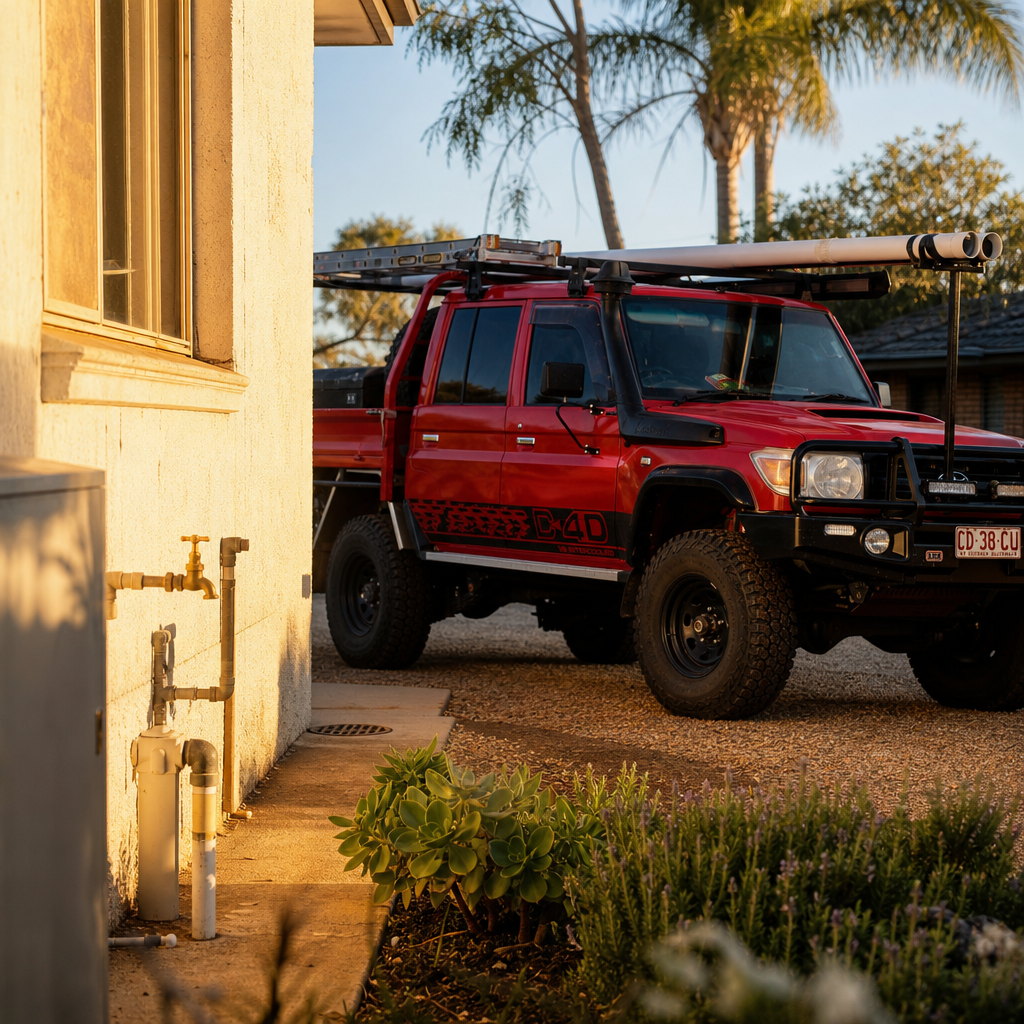
The most common situation in a water emergency is a homeowner who doesn't know where their water meter is. In the Sunraysia region, meters are usually out near the front boundary, sometimes tucked behind a small cover in the ground. Every adult in your house should know where it is and how to turn it off.
Turning off the main meter stops the flow to the whole property. It buys you time. It limits the damage. And it gives a plumber something manageable to work with when they arrive instead of a property that's been flooding for an extra hour.
If you rent out a property in the area, this is worth including in your tenant welcome information. A tenant who knows where the shutoff is can prevent thousands of dollars of damage in the time it takes to reach you by phone.
Leaks That Look Minor but Often Are Not
Some of the more concerning leaks are actually the quiet ones. A wet patch on the ceiling below a bathroom. A section of garden that stays soggy when everywhere else is dry. Paint bubbling off a wall for no obvious reason. These point to leaks that have been going on long enough to saturate materials you can't see.
In older homes around Mildura and the wider Sunraysia district, the most common sources for this kind of hidden damage are older flexi hoses under sinks and toilets, leaking shower trays, and ageing pipe joins in the wall. Flexi hoses in particular have a history of failing without warning and can release a significant volume of water in a short time.
The tricky part with hidden leaks is that by the time you notice them, the water has usually been doing its work for a while. The sooner they get looked at, the less remediation is involved down the track.
Hot Water System Leaks Deserve Special Mention
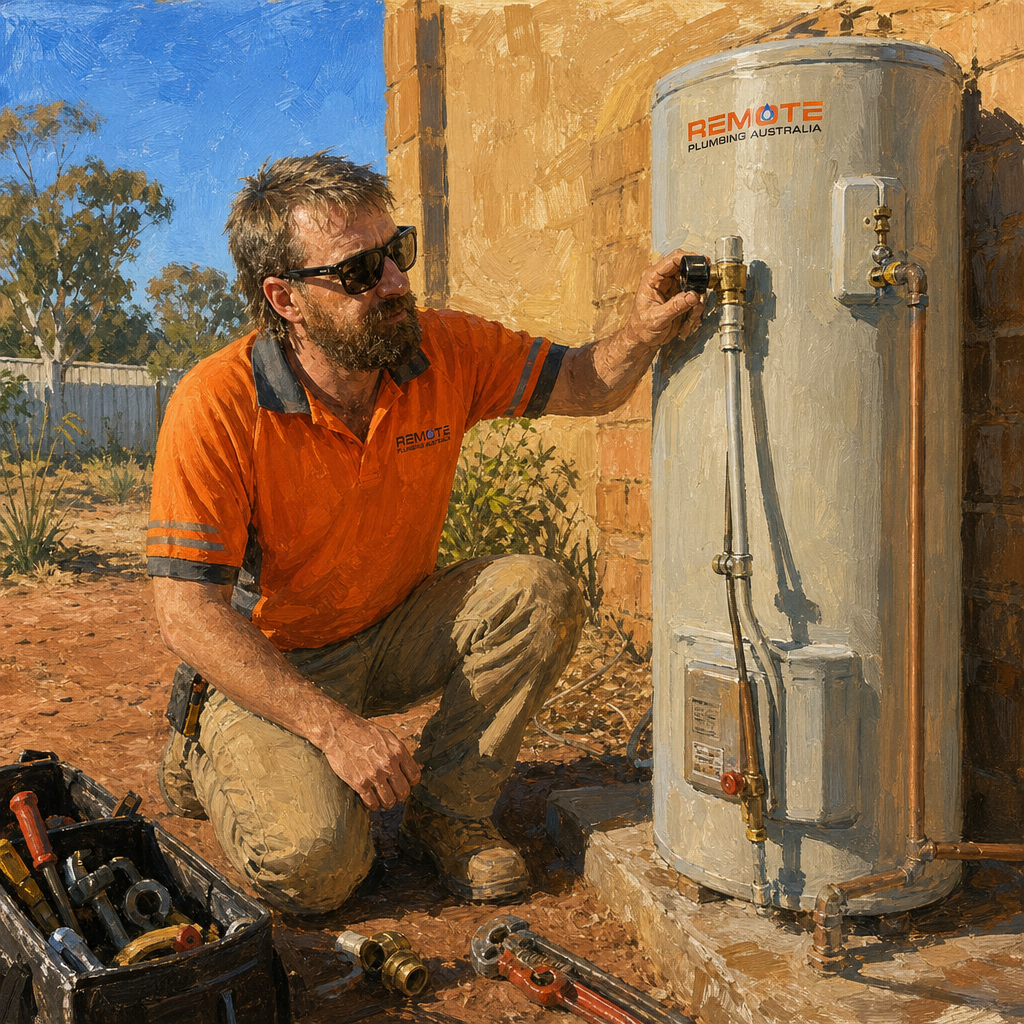
A leaking hot water system is its own category. If you notice water pooling around the base of your hot water unit or dripping from the pressure relief valve, it's worth getting a plumber across to have a look sooner rather than later.
Pressure relief valves are designed to release water under certain conditions, so a small amount of discharge from that valve isn't always an alarm. But if it's running constantly, or if water is coming from somewhere else on the unit, that's a sign the system is under abnormal pressure or that a seal or tank has given way.
A compromised hot water system can fail fully and release a large volume of water quickly. In a garage or utility area that's manageable. In a ceiling cavity it's a much bigger problem. Getting it looked at early is nearly always the better path.
What to Do While You Wait for a Plumber
Once you've called for help, there are a few sensible things to do while you wait.
- Turn off the water at the meter or at the nearest isolating valve if you haven't already.
- If water is near any power points or your switchboard, turn off the relevant circuits at the breaker. If in doubt, call an electrician or turn off the mains. Water and electricity are not a combination to take chances with.
- Move anything valuable away from the wet area where it's safe to do so.
- Take a short video or some photos of what you can see. This helps when talking through the issue and is useful for insurance purposes.
- Leave the area alone if the ceiling looks like it's sagging. A water logged ceiling plaster can come down and that's a hazard in itself.
Do not attempt to open walls or access under floors yourself. You can cause more damage and you might expose something that needs a professional to handle safely.
The Honest Answer on Emergency Call Outs
Brad gets called to a lot of jobs across Mildura and Greater Sunraysia. Some of them genuinely need an after hours response. Others could wait until the next morning with the water off at the meter. He'll always give you a straight answer on the phone about which situation you're dealing with, and he won't talk you into an emergency call out if you don't need one.
That's just how he operates. If it can wait, he'll tell you. If it can't, he'll be there.
When you're not sure what you're dealing with, the safest move is to turn off the water and make the call. A two minute conversation can tell you a lot. And if you're in the Greater Sunraysia region and you've got water going somewhere it shouldn't, Brad's the person to ring.
Need a plumber in Mildura? Call Brad on 0411 755 399 or visit remoteplumbingaustralia.com.au