Winter in the Sunraysia region is not Antarctica, but it is cold enough to put real stress on your hot water system. Overnight temps drop well below zero out here, pipes run through exposed spots in old homes, and a hot water system that was already on its last legs will often choose the coldest morning of the year to give up. Ask anyone who has stepped into a freezing shower at 6am in July. Not ideal.
These are the practical things you can do right now, in September, while the mornings are still crisp and the worst of winter is fresh in your memory. Get ahead of the problem rather than scrambling in the middle of it.
Check Your Hot Water System for Warning Signs You Can Actually See
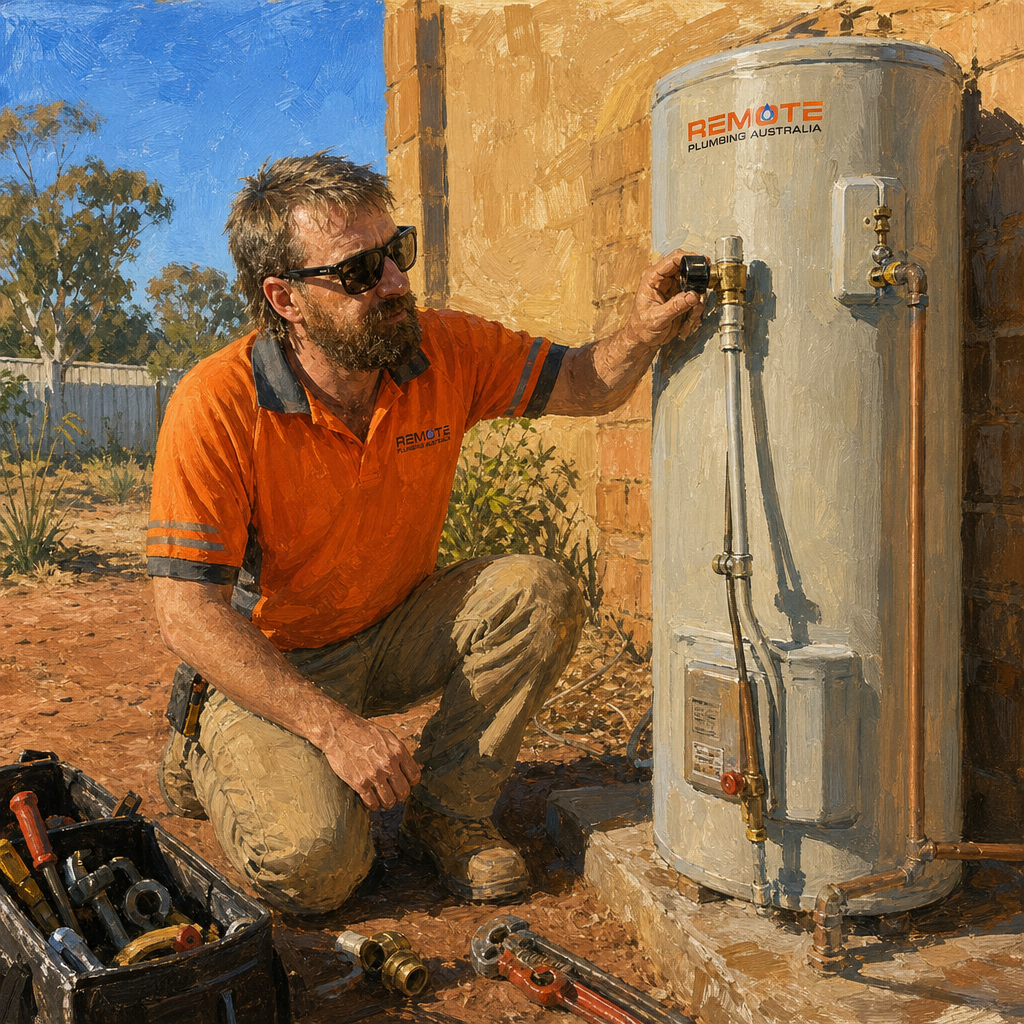
You do not need to be a plumber to spot the early signs that a system is struggling. Walk around your hot water unit and just have a look. Here is what to look for.
- Rust staining or discolouration on the outside of the tank, particularly around fittings and the base.
- Any wet patch, drip, or mineral build up around the pressure relief valve. That valve is on the side of the tank and should be dry when the system is running normally.
- Water sitting under or around the unit that is not from recent rain.
- A rumbling, popping, or banging noise when the unit is heating. That often points to sediment that has built up on the element or at the bottom of the tank.
None of these mean you need a new system tomorrow. But they are your early warning system. If you see two or more happening together, it is worth getting someone to look at it before you are booking an emergency call out on a Sunday morning.
Check the Age of Your System and Plan Accordingly
Most storage hot water systems have a working life somewhere between 8 and 12 years depending on the unit, the water quality, and how well it has been maintained. Mildura and the broader Sunraysia region has reasonably hard water, which can shorten that lifespan if the anode rod has never been replaced.
The manufacture date is usually on a label or stamped on a plate on the unit itself. If your system is over 10 years old and you have never had it looked at, now is the time. Not because it definitely needs replacing, but because knowing its condition lets you make a real decision rather than getting caught out.
A plumber can check the anode rod, inspect the pressure relief valve, and give you an honest picture of how much life the system realistically has left. That is the kind of information that helps you plan rather than panic.
Protect Exposed Pipes Before the Next Cold Snap
Older homes across Mildura, Wentworth, Red Cliffs, Merbein and surrounds often have pipes running through subfloor spaces, along external walls, or in roof cavities that see real cold overnight. When water inside a pipe freezes, it expands, and that is when pipes crack or joints fail. You might not notice until the ice thaws and water starts going somewhere it should not.
The most common spots to check are the pipes running to and from your hot water system if it is outside or in an exposed location, any pipes in an uninsulated roof space, and irrigation or garden tap connections that branch off the main line.
Pipe lagging is a foam sleeve that wraps around exposed pipes and slows the freeze process. It is a practical, low cost measure and it makes a real difference in a cold snap. If you are not sure which pipes need attention or how to identify the vulnerable runs in your home, that is a job for a licensed plumber to assess. Getting it right matters more than doing something quickly.
Do Not Ignore a Dripping Hot Water Tap or Slow Recovery Time
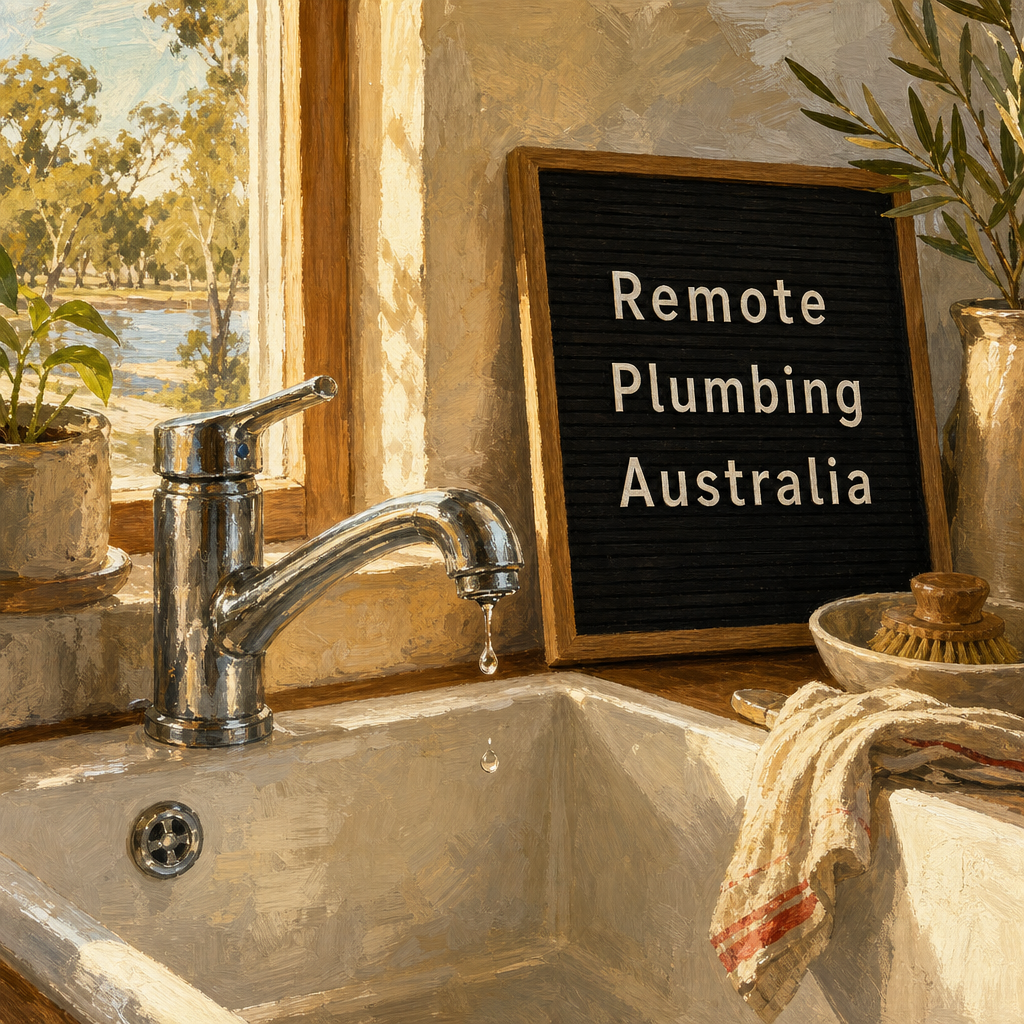
A tap that keeps dripping after you have turned it off is wasting water, and in a hot water tap that waste comes at a cost in both water and energy. What most people do not realise is that a continuously dripping hot tap can also overwork your hot water system because it is constantly trying to catch up. Over winter when demand is already higher, that extra load matters.
Slow recovery time is another one worth paying attention to. If it is taking noticeably longer to get hot water to the tap than it used to, or if the water is warm rather than properly hot, that can point to a failing element, a thermostat issue, or a system that is simply undersized for how the home is being used.
Both of these are worth getting looked at. They are not dramatic emergencies but they do have a habit of turning into one if they are left too long.
Know Where Your Water Meter and Isolation Valve Are
This one is simple and takes about two minutes. Walk outside and find your water meter. It is usually near the front boundary of the property. Then find the isolation valve, which is the tap or valve that lets you shut off the water supply to the whole house. On most Mildura properties it is near the meter or at the front of the house.
In a plumbing emergency, knowing exactly where that valve is and being able to turn the water off quickly can be the difference between a manageable problem and serious water damage. Write it down, show whoever else lives in the home, and make sure the valve is not seized from years of not being touched. If it is stiff or corroded to the point where it will not move easily, let a plumber know next time one is on site.
The most common situation seen in older Sunraysia homes is a valve that technically exists but has not been operated in a decade and needs attention before it can be relied on in an emergency.
Book Maintenance While the Weather Is Good
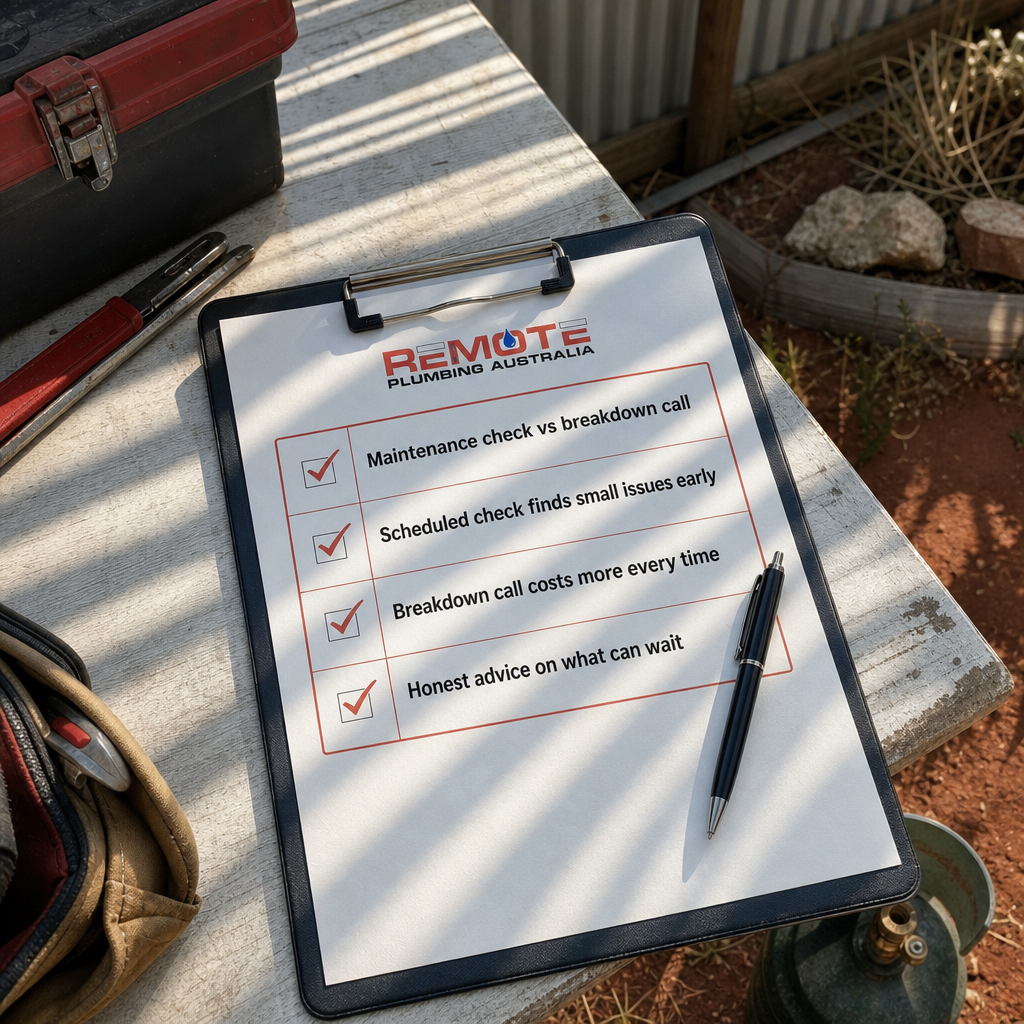
Here is the honest part. The best time to get your plumbing sorted is right now, in spring, before the summer heat pushes hot water systems to their limits and before the next winter puts the freeze on everything again. Emergency call outs are more stressful, more disruptive, and less convenient than a planned maintenance visit.
If your hot water system is getting older, if you have noticed any of the warning signs above, or if you simply cannot remember the last time a plumber looked at anything in your home, a general maintenance check is the kind of thing that costs very little relative to what it can prevent.
Brad services Mildura and the Greater Sunraysia region and is happy to give you a straight answer on what actually needs doing versus what can wait. No call centres, no subcontractors, just honest advice and fair pricing from someone who has kept plumbing running in some genuinely demanding places.
Need a plumber in Mildura? Call Brad on 0411 755 399 or visit remoteplumbingaustralia.com.au