Replacing a hot water system is one of those purchases most homeowners make once every ten to fifteen years. That gap between decisions means most people are starting from scratch each time, and with so many options on the market right now, it is genuinely easy to end up with the wrong unit for your house. Too small and you are cold showering by Thursday. Too large and you are heating water you will never use. Wrong fuel type and your running costs will sting for years.
This is not a complicated process once you know what to weigh up. Here is a plain language guide to help you make a confident decision before you commit to anything.
Storage Tank or Continuous Flow
This is the first fork in the road and it matters more than most people realise.
A storage tank system heats a set volume of water and keeps it ready. It is straightforward, reliable, and the upfront cost is generally lower. The tradeoff is that you are paying to keep that water warm around the clock whether you use it or not. In a Sunraysia summer that energy cost adds up.
A continuous flow system heats water on demand only when a tap opens. You are not storing anything so there is no standby heat loss. Running costs are typically lower over time. The tradeoff is a higher purchase price upfront and some flow rate limitations if two or three hot outlets run at the same time in a larger household.
Neither option is universally better. It depends entirely on your household size, how you use hot water through the day, and what fuel source you have available at your property.
Gas, Electric or Heat Pump
This decision often comes down to what is already connected at your property but it is worth understanding the tradeoffs regardless.
Natural gas units heat quickly and tend to have lower running costs than electric resistance systems. If you are already on natural gas in Mildura, a gas hot water system is usually a sensible path. LPG is available where natural gas is not but the ongoing bottle cost changes the equation significantly.
Electric storage systems are the most common in older Australian homes. They work fine and parts are readily available. The downside is that they are generally the most expensive to run on a standard tariff. If you have a good solar setup with feed in, running your electric storage system on a timer to heat during peak generation hours can close that gap considerably.
Heat pump systems extract heat from the air rather than generating it directly. They use roughly a third of the electricity of a conventional electric storage system for the same output. They are significantly more expensive upfront and they do make some noise, so placement matters. They also perform less efficiently in very cold overnight temperatures, though that is rarely a major factor across the Sunraysia region. Federal and state rebate programs have made heat pumps more accessible in recent years and that is worth investigating before you rule them out on price alone.
Sizing It Right for Your Household
Getting the size wrong is one of the most common and most avoidable mistakes made during a hot water replacement.
A general rule of thumb for storage tanks is to allow around 50 litres of storage capacity per person in the household for a standard off peak electric system. Gas and continuous flow systems size differently because they do not rely on stored volume in the same way.
What also matters is your peak usage pattern. A family of four that all showers within a two hour window in the morning puts very different demand on a system than four people who spread their use across the day. That peak load is what you are really sizing for.
If you are managing a rental property in Greater Sunraysia, this is even more important. Undersizing a system in a rental tends to generate tenant complaints quickly and emergency call outs are more disruptive and more costly to arrange than getting the spec right at installation.
What to Ask Before You Buy Anything
A good plumber will ask you these questions before recommending anything. If you are doing your own research first, here is what to have clear in your mind.
- How many people are in the household and are those numbers likely to change in the next few years
- What fuel source do you currently have connected and are you open to switching
- Do you have solar panels and if so what is your self consumption situation
- Where is the unit going to be installed and are there space or noise constraints
- Is this an emergency replacement where speed matters or a planned upgrade where you have time to compare options properly
The answers to those five questions will narrow the field considerably. A plumber who gives you a recommendation without asking most of these is probably not giving you their best advice.
The Questions Worth Asking Your Plumber
Once you are talking to a plumber, a few direct questions will tell you quickly whether you are in good hands.
Ask them to explain why they are recommending that particular unit for your situation. A confident, plain language answer is a good sign. A vague or rushed answer is worth probing further.
Ask about warranty. Most quality hot water units carry a manufacturer warranty of five to ten years depending on the brand and model. That is worth comparing between options. Also ask whether the labour for the installation itself carries any guarantee.
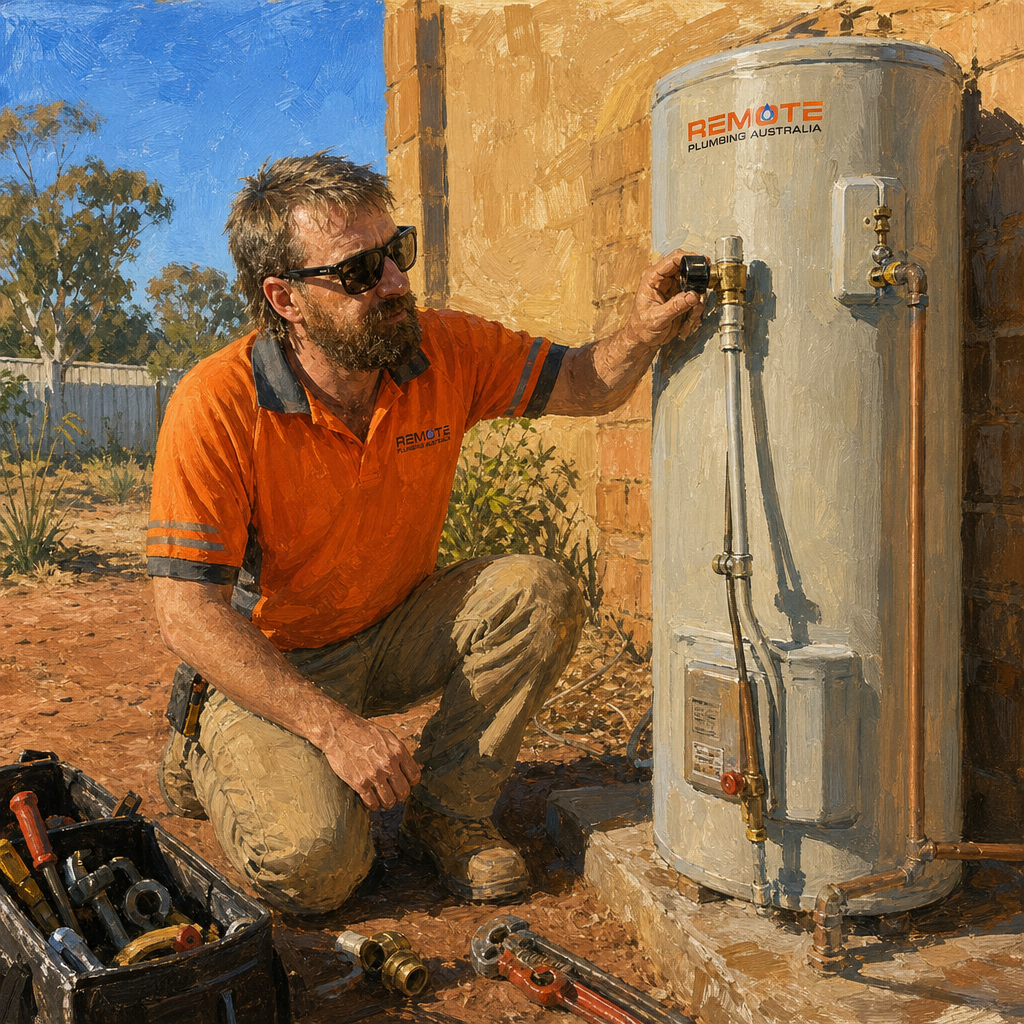
Ask how long the installation will take and whether there is anything about your existing setup that might add time or complexity. Old copper connections, corroded isolating valves, or a non compliant installation from a previous job can all add to the scope. A transparent plumber will flag these upfront rather than after the work has started.
Finally, it is worth knowing that in Victoria all plumbing work including hot water installations must be carried out by a licensed plumber. You can verify a licence through the Victorian Building Authority. This is not something to skip, regardless of who you use.
One More Thing Worth Knowing
A lot of hot water system decisions get made in a rush because the old one has just failed and there is a household without hot water. That urgency is understandable but it can lead to a quick decision that is not quite the right one for the long term.
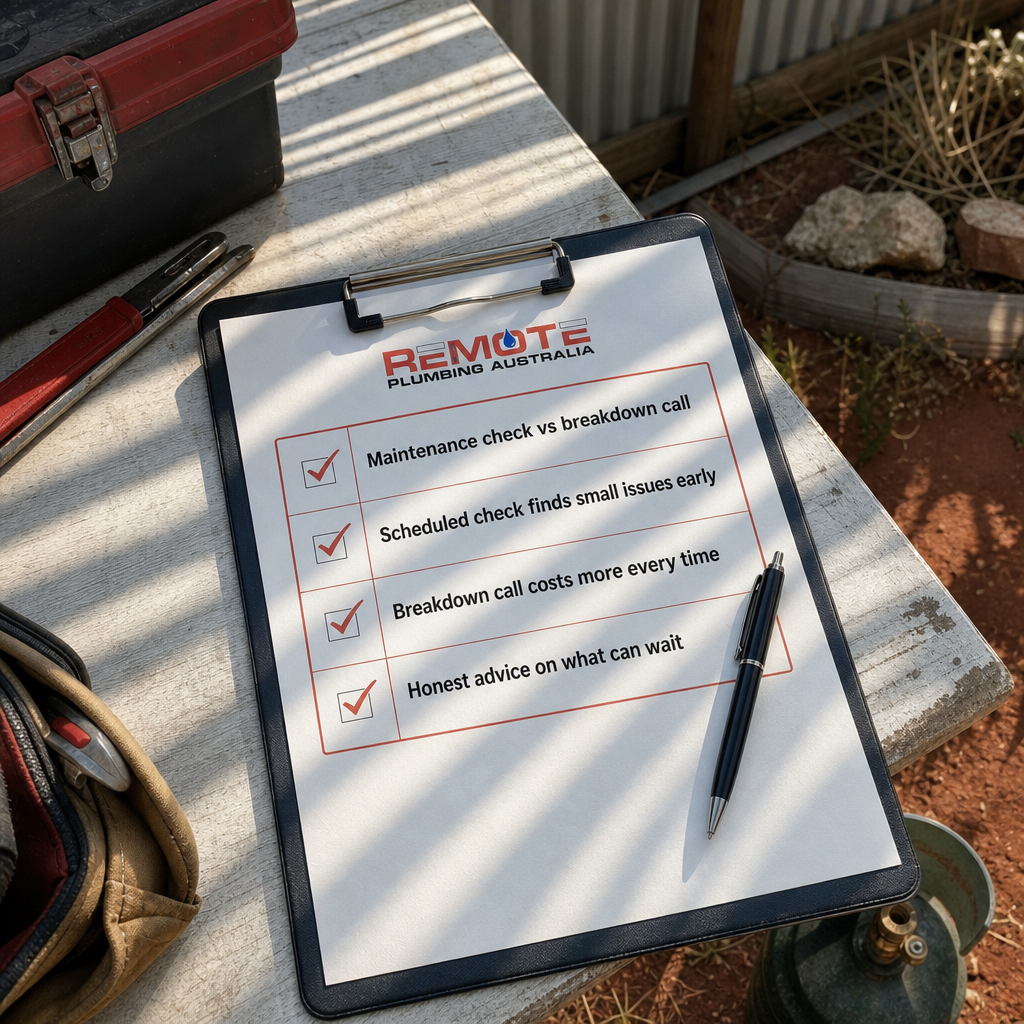
If your system is getting on in age, say eight years or older for electric storage and approaching ten or more for gas, it is worth having a conversation with your plumber before it fails rather than after. A quick inspection can give you a realistic picture of how much life is left and let you plan a replacement on your terms rather than in a panic.
With over 20 years of experience across domestic plumbing, defence facilities, and two seasons at a research station in Antarctica, Brad has seen hot water systems work in conditions most plumbers never encounter. He brings that knowledge to every job across Mildura and the Greater Sunraysia region without a call centre in the middle and without recommending anything you do not actually need. Honest advice. Fair pricing. Done right.
Need a plumber in Mildura? Call Brad on 0411 755 399 or visit remoteplumbingaustralia.com.au