If you have ever had a plumber mention your tempering valve and just nodded along while quietly having no idea what they were talking about, you are absolutely not alone. It is one of those parts of your plumbing system that does an important job every single day without making any fuss about it. And because it never announces itself, most people do not know it exists until something goes wrong.
So here is a plain language rundown of what a tempering valve actually does, why it is required in Australian homes, and what to keep an eye out for as a homeowner in Mildura or the Greater Sunraysia region.
What Is a Tempering Valve and Where Is It Sitting in Your Home
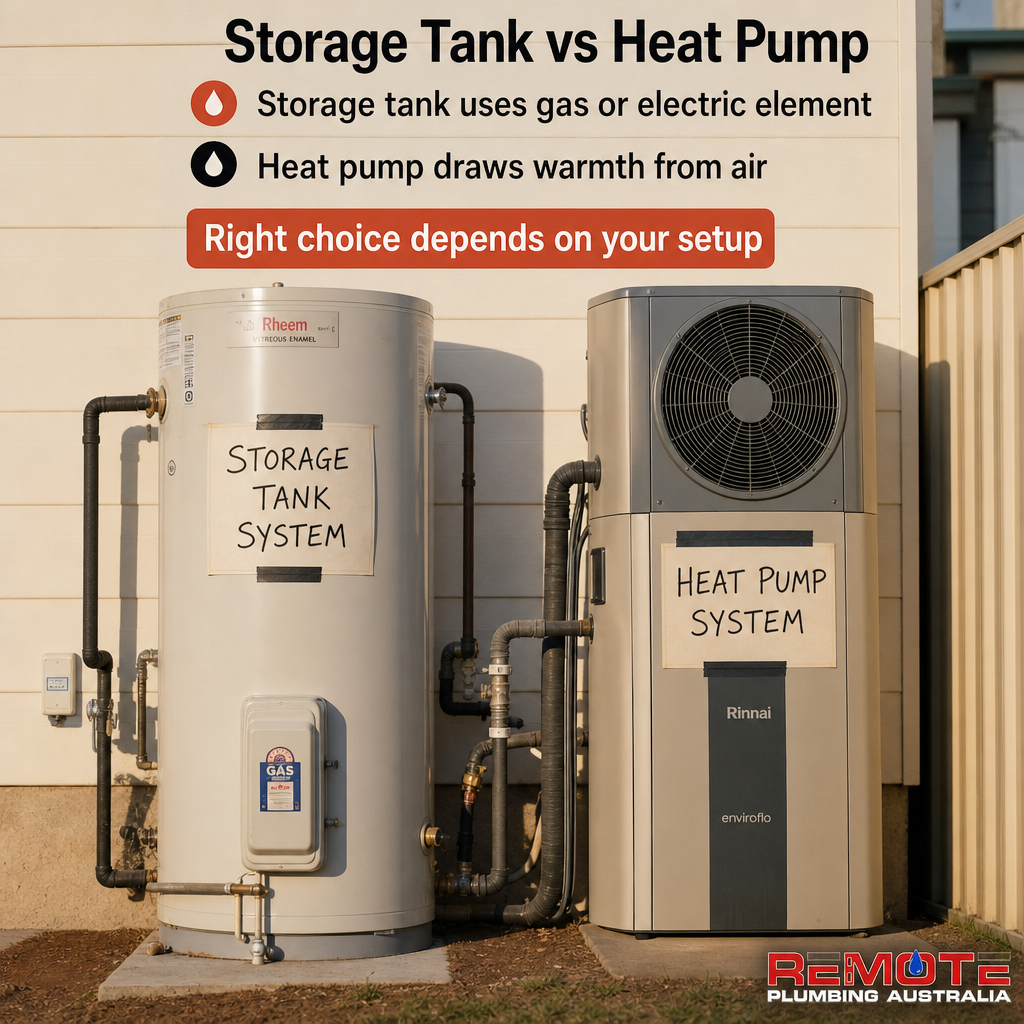
A tempering valve is a small mixing device that is fitted to your hot water system, usually right at the unit itself or close to it. Its job is to blend the very hot water coming out of your storage tank with a small amount of cold water before it reaches your taps. The goal is to deliver water at a safer, more consistent temperature to the fixtures in your home, typically capped at 50 degrees Celsius for most household outlets under Australian standards.
Now here is the thing that surprises a lot of people. Your hot water system is actually set to heat water to around 60 degrees or higher. That temperature is intentional. It is hot enough to kill Legionella bacteria, which can breed in warm water that sits at the wrong temperature range. So the system deliberately runs hot at storage level, then the tempering valve brings it down to a usable and safe temperature before it gets to you.
Without a tempering valve doing that job, water at 60 degrees plus would be arriving straight at your bathroom taps and shower. That is hot enough to cause a serious scald, especially for young children, elderly people, or anyone who cannot react quickly enough to pull away.
Why Tempering Valves Are Required Under Australian Standards
In Australia, tempering valves on certain hot water outlets are not optional. Under the relevant plumbing standards, hot water delivered to bathtubs, showers and hand basins in homes must be tempered to a maximum of 50 degrees Celsius. This applies to new installations and replacements, and it is one of those things a licensed plumber has to get right at the time of installation.
The 50 degree limit is not arbitrary. Industry guidance on scald burn times makes clear that water at 60 degrees can cause a full thickness burn in just a few seconds. Dropping that to 50 degrees gives a much longer window before injury occurs, which matters enormously in situations involving kids in the bath or anyone with reduced mobility.
So when Brad installs or replaces a hot water system in a Mildura home, fitting the tempering valve correctly and to the right specification is part of the job, not an add on.
How the Valve Actually Does Its Job
Inside the valve there is a wax or bimetallic element that reacts to temperature. When hot water passes through, the element expands and opens a small inlet for cold water to blend in. When the temperature drops, the element contracts and reduces the cold water flow. It is continuously adjusting in small amounts to maintain that target mixed temperature at the outlet.
It sounds simple because it is, in the best possible way. There are no electronics, no digital controls, no app. Just a well engineered mechanical response to temperature. That is also why a failing tempering valve can be a slow and subtle thing. The element inside can degrade over time, wear out, or get affected by sediment, particularly in areas like Mildura where the water has a higher mineral content. When that happens the valve may start delivering water that is cooler than expected, hotter than it should be, or inconsistent between uses.
Signs Your Tempering Valve Might Be Playing Up
Because the valve sits quietly in the background doing its thing, most homeowners only notice a problem when the symptoms become obvious. Here are the most common patterns to watch for.
- Your hot water at the shower or basin is noticeably hotter than it used to be, even though you have not changed any settings on the hot water system itself.
- The water temperature varies a lot between the start and middle of a shower without you adjusting anything.
- Hot water seems cooler than normal even when the system is working fine and the tank is heated up.
- You notice a drop in hot water pressure at tempered outlets compared to other taps in the house.
None of these symptoms should be ignored, especially the first one. A tempering valve that has failed open to full hot is a real safety risk in a household with children or elderly residents.
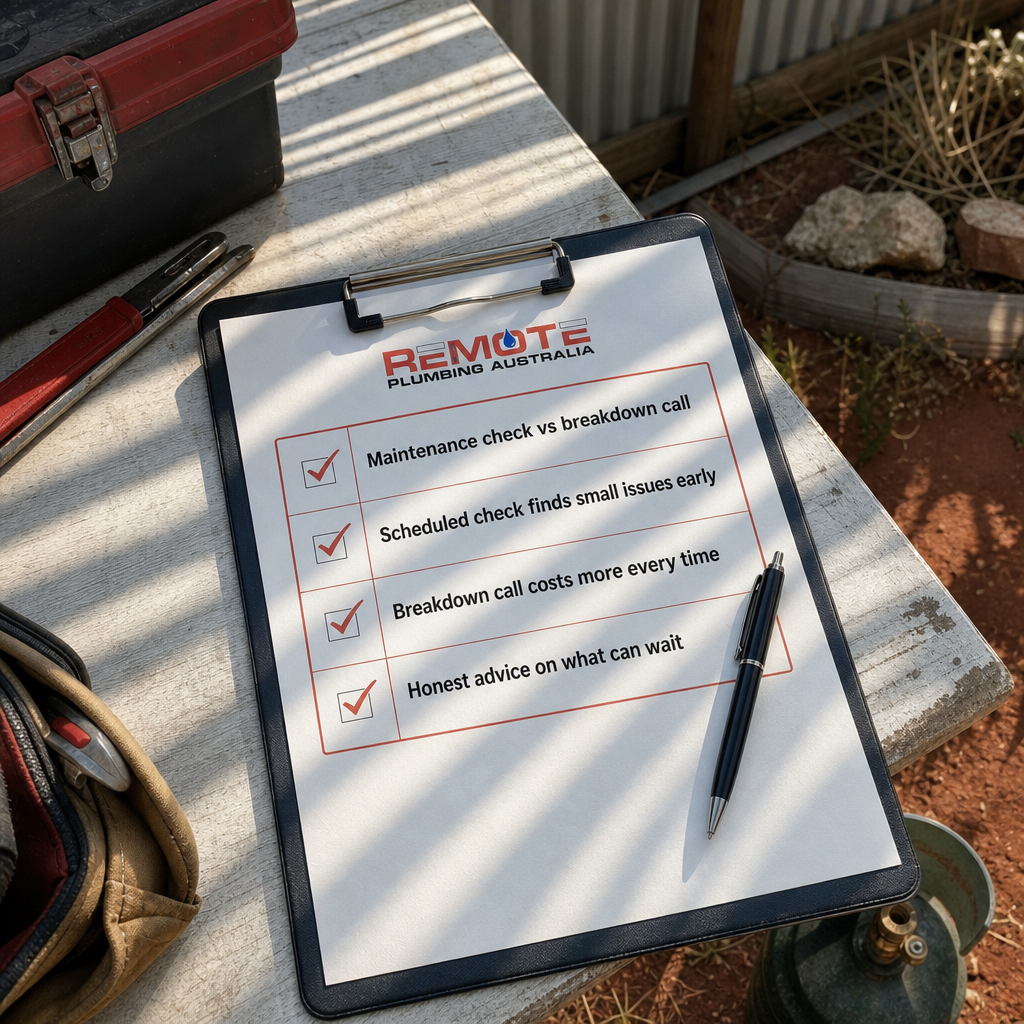
Tempering valves generally have a service life of around five to eight years depending on water quality and usage. In Mildura and surrounding areas, harder water can shorten that. If your hot water system is getting on in years and has never had the tempering valve looked at, it is worth having a licensed plumber check it over as part of a general maintenance visit.
What a Licensed Plumber Does When They Service or Replace It
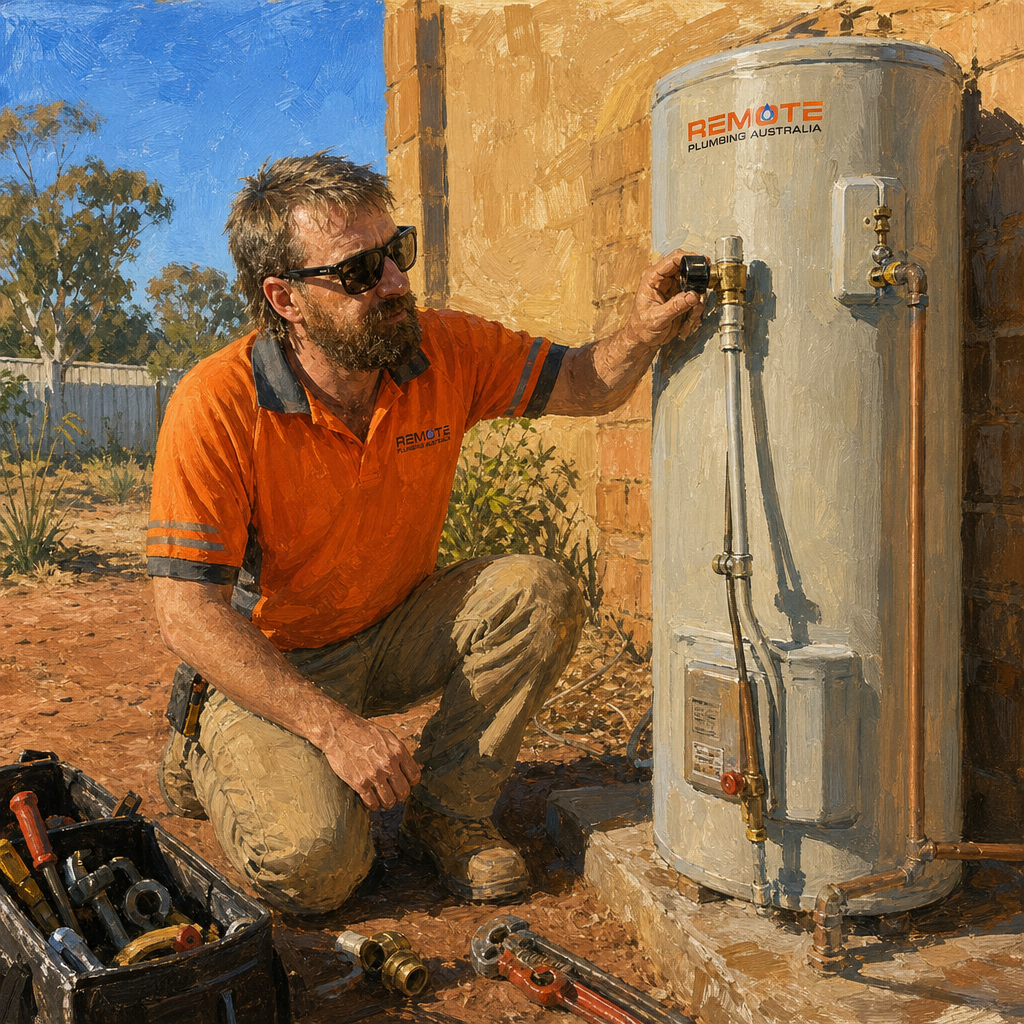
When Brad attends to a tempering valve, the process is methodical. He checks the outlet temperature at the relevant fixtures using a calibrated thermometer. If the reading is out of the acceptable range, he will track down the cause. Sometimes the valve just needs adjustment. Sometimes it needs replacing. And occasionally the issue is something else entirely, like a problem with the hot water system itself or a cross connection in the pipework.
The point is that a licensed plumber does not just swap parts and hope for the best. Getting the outlet temperature right requires a proper test after the work is done. That is how you confirm the job is actually finished correctly.
It is also worth knowing that tempering valves can only be legally installed, replaced or adjusted by a licensed plumber. This is not a tap washer situation where a handy homeowner can have a go. The safety function the valve performs is too important to leave to guesswork.
A Simple Thing Worth Knowing About
The tempering valve is a quiet achiever in your plumbing system. Most of the time it just does its job without you ever needing to think about it. But like everything else in a house, it does not last forever and it is worth knowing what it does so that when a plumber mentions it, you understand exactly what they are talking about and why it matters.
If your hot water temperature has been inconsistent lately, or if it has been a few years since anyone looked at your hot water setup, give Brad a call. He will check it over, explain what he finds in plain language, and only recommend work that actually needs doing. Honest advice. Fair pricing. Done right.
Need a plumber in Mildura? Call Brad on 0411 755 399 or visit remoteplumbingaustralia.com.au