Your hot water system is probably one of those things you never think about until something goes wrong. Cold shower at 6am, a puddle near the tank, a bill that seems higher than it should be. And in a lot of cases, the situation that finally gets your attention was actually brewing for a while, quietly made worse by a few very common mistakes. None of them are silly. Most people just haven't had anyone explain how these systems actually behave. So here's a rundown of the ones I see most often out here in Mildura and the Sunraysia, and what you can do differently.
Ignoring the Pressure Relief Valve
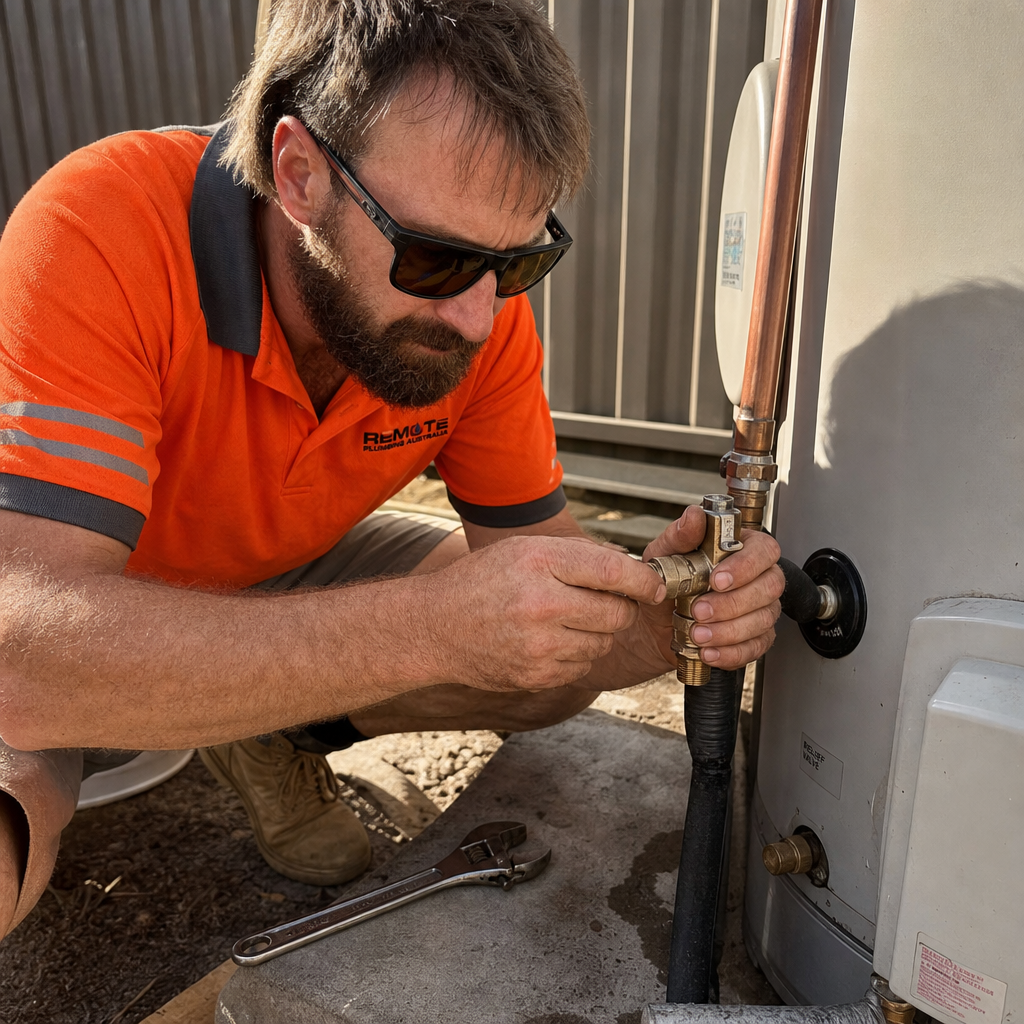
Every hot water system has a temperature and pressure relief valve, usually called a TPR valve or a T&P valve. It's a safety device. Its job is to release pressure if the tank gets too hot or the pressure builds beyond a safe level. The thing is, most homeowners have never looked at this valve, let alone tested it.
The mistake I see regularly is either ignoring it completely, or on the flip side, assuming something is wrong when it drips occasionally. A small amount of discharge during heating cycles can be normal depending on your setup. But a valve that is constantly weeping, or one that has never been tested and is corroded or seized, is a genuine concern.
These valves should be tested periodically and replaced according to the manufacturer's recommendations, which is typically every five years or so. If yours hasn't been looked at in years, that's worth getting a licensed plumber to check. This is not a DIY job. These valves are under pressure and need to be handled correctly.
Setting the Thermostat Too Low to Save Money
This one comes up a lot, especially when energy bills are high. The logic makes sense on the surface. Turn down the thermostat, use less energy, spend less. But there's a threshold you don't want to go below on a storage hot water system, and that's around 60 degrees Celsius.
Below that temperature, you create conditions where Legionella bacteria can potentially grow in the stored water. Australian standards recommend storage systems maintain water at 60 degrees or higher for this reason. Turning your system down well below that to chase savings is one of those situations where the short term logic works against you in a more important way.
If you're looking to reduce running costs on your hot water, the better conversation is about whether your current system type and size are actually right for your household. That's something worth talking through rather than quietly fiddling with the thermostat and hoping for the best.
Waiting Too Long to Act on a Leak
A dripping connection. A small damp patch near the base of the tank. A slow seep from a fitting that you've been meaning to get looked at. These are so easy to put off, especially when the hot water is still running fine and life is busy.
The pattern I see regularly is that what starts as a minor leak becomes a much bigger job by the time someone calls. Water finds its way into places you can't easily see. It can affect cabinetry, flooring, wall cavities, and depending on where the system is located, even structural elements. A small ongoing leak is also adding to your water bill every single day it runs.
The rule of thumb I'd offer is this. If you notice a leak and it's not getting better on its own within a day or two, it's time to make a call. Plumbing leaks do not self correct. Getting someone out early is almost always less disruptive and more affordable than waiting until a repair becomes a replacement.
Flushing the Wrong Things and Then Wondering About Blocked Drains
This one isn't strictly a hot water issue but it comes up in the same maintenance conversation. The most common blockage culprits I find in Mildura homes are things that were put down drains or flushed away under the assumption that they'd break down or dissolve. Wet wipes, even the ones labelled flushable, cooking grease, paper towels, and food scraps are the usual suspects.
Grease is a particularly interesting one in a Sunraysia summer. It might be liquid when it goes down the drain but it cools and solidifies further along the pipe, and it builds up gradually. Over time you end up with a slow drain that becomes a blocked drain. By the time water is backing up, the blockage is often well established.
The fix here is genuinely just habit. Cool cooking fats in a container and bin them. Keep a bin in the bathroom so things don't get flushed. And if your drains are slow anywhere in the house, don't ignore it. A slow drain is a blocked drain in progress.
Skipping Regular Maintenance Because Nothing Seems Wrong
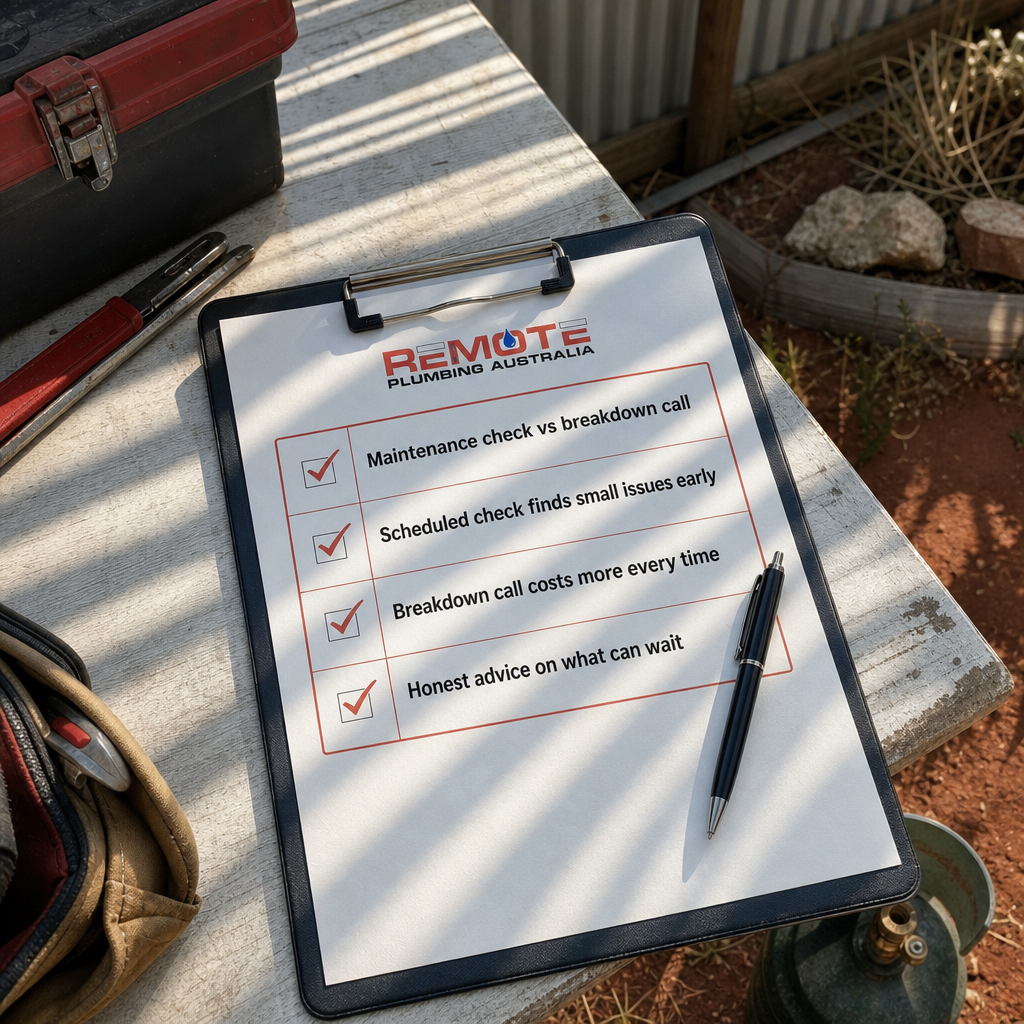
Hot water systems, taps, and drain lines all benefit from occasional attention even when they're performing fine. The most common situation I see is a system that has had no maintenance for years, then fails at the worst possible time. A weekend. A holiday. The morning someone has guests staying.
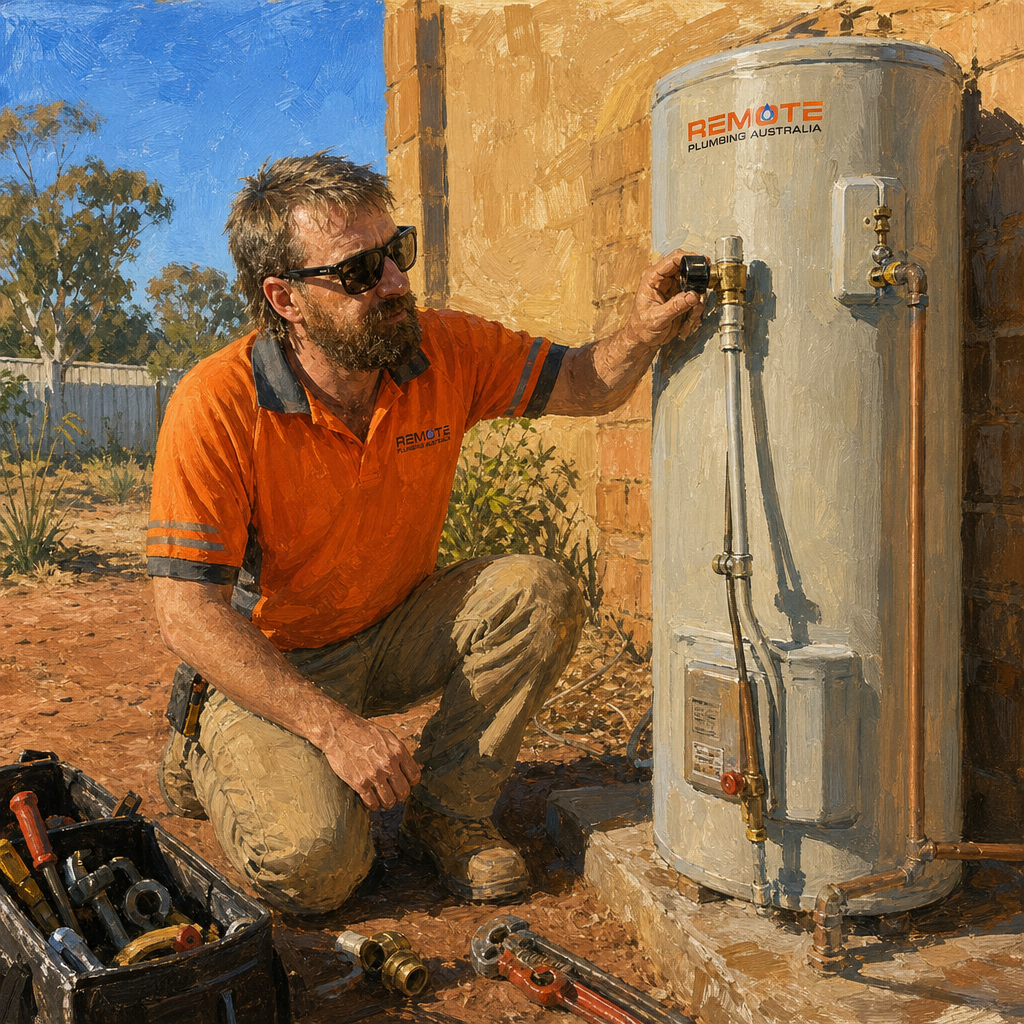
Regular maintenance on a hot water system can catch anode rod deterioration before it causes tank corrosion, spot valve wear before it becomes a failure, and confirm the system is running efficiently. For general plumbing around the house, a periodic check of tap washers, visible pipe connections, and water pressure can pick up small issues before they develop into urgent ones.
I'll be straightforward with you. Not every house needs a plumber out every year. Some setups are ticking along fine and don't need much. But if it's been several years since anyone looked at your hot water system or ran a check on the general plumbing, a maintenance visit is worth considering. You'll either get peace of mind that everything is in good shape, or you'll find out about something small while it's still small.
Assuming All Plumbers Are the Same
I'll keep this brief because it's not really my place to talk about what other plumbers do or don't do. But I will say this. When you call a large franchise or a dispatch service, you often don't know who's actually showing up or what their experience level is. You might get someone great. You might not.
I've spent over twenty years in this trade. My apprenticeship was done properly under a master plumber in Adelaide. I went on to work at a high security defence facility in the Northern Territory for fourteen years, and I spent two seasons maintaining plumbing at Casey Station in Antarctica. I've worked on systems in conditions most plumbers never encounter. When I come to your house in Mildura or anywhere in the Sunraysia, it's just me, my ute, and two decades of knowing what I'm looking at. I'll tell you what I find and give you honest advice on what actually needs doing.
If you've been putting off a hot water service, have a drain that's been slow for a while, or noticed anything around the house that doesn't seem quite right, now's a good time to get it sorted before summer hits. Honest advice. Fair pricing. Done right.
Need a plumber in Mildura? Call Brad on 0411 755 399 or visit remoteplumbingaustralia.com.au