Most plumbing problems do not arrive out of nowhere. They build quietly, usually over weeks or months, until one morning you are standing in a cold shower or watching water spread across your laundry floor. The good news is that a handful of simple checks done regularly will catch the majority of issues well before they become emergencies. August is actually a great time to run through these because your system has been working hard through the cold stretch and any weak points tend to show themselves. Here are five checks worth doing today.
1. Look at Your Hot Water System Properly
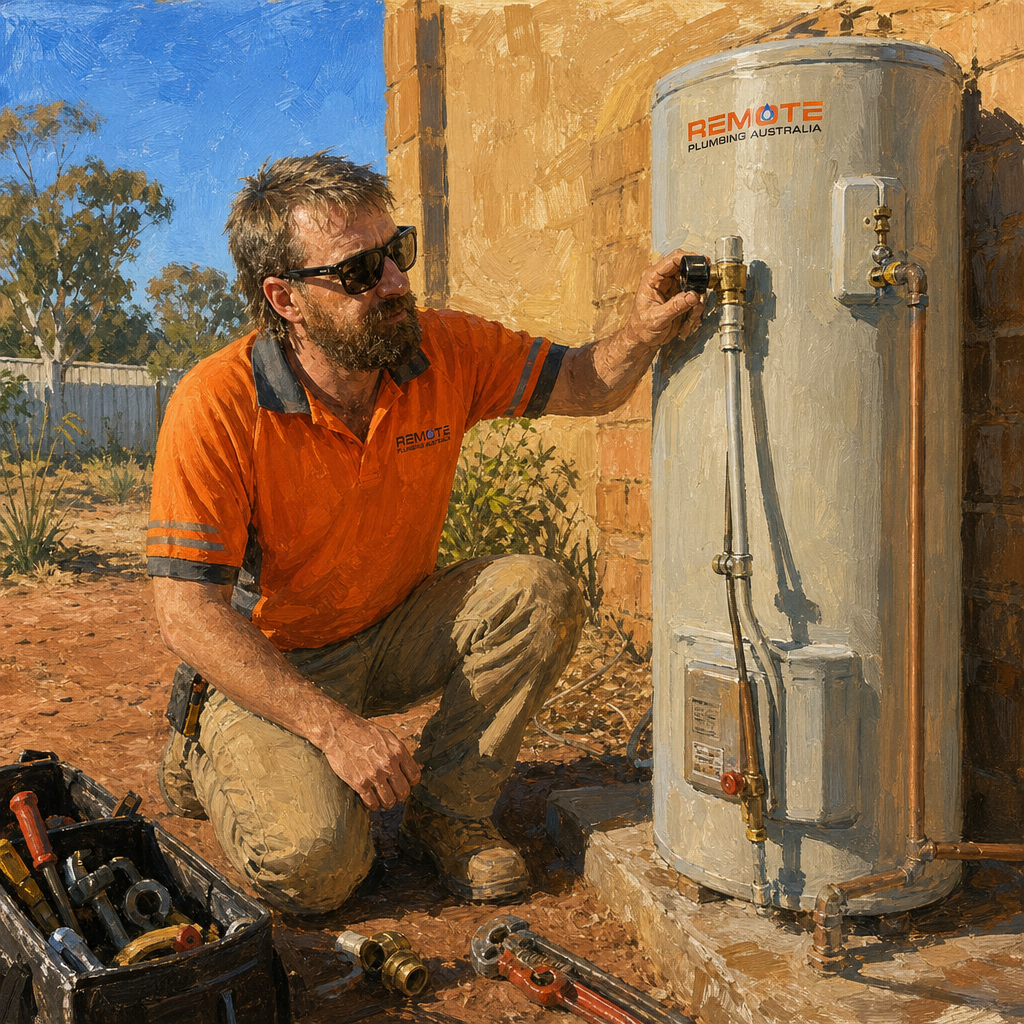
Not just a glance. Get close and actually look at the unit, the connections around it, and the ground or floor underneath it. What you are looking for is any sign of moisture. A small rust stain down the side of the tank, a damp patch on the ground, or mineral deposits around a fitting are all early warning signs. Many hot water systems start leaking slowly long before the failure becomes obvious, and by the time water is pooling, the damage is already done.
While you are there, check the temperature and pressure relief valve. This is the small valve on the side or top of the unit with a discharge pipe running away from it. If that pipe is dripping constantly, the valve is doing something it should not be. It is worth having a licensed plumber take a look rather than ignoring it. The relief valve is a safety device and it matters.
Also take note of how old your unit is. Most storage hot water systems have a realistic service life of roughly 8 to 12 years depending on water quality and usage. Sunraysia tap water is reasonably hard, which adds wear over time. If your unit is getting up in age and you are starting to notice things, that information is useful when you talk to a plumber.
2. Check Every Tap in the House for Drips
Go through your home methodically. Kitchen, bathroom, laundry, outdoor taps. Turn each one off firmly and then watch for a few seconds. A dripping tap is easy to dismiss because it seems minor, but a tap dripping at a steady rate can waste a meaningful volume of water over the course of a month, and it usually means the washer or seat inside is worn. That wear does not stop on its own. Left long enough, a small drip becomes a steady stream and the underlying fitting starts to suffer.
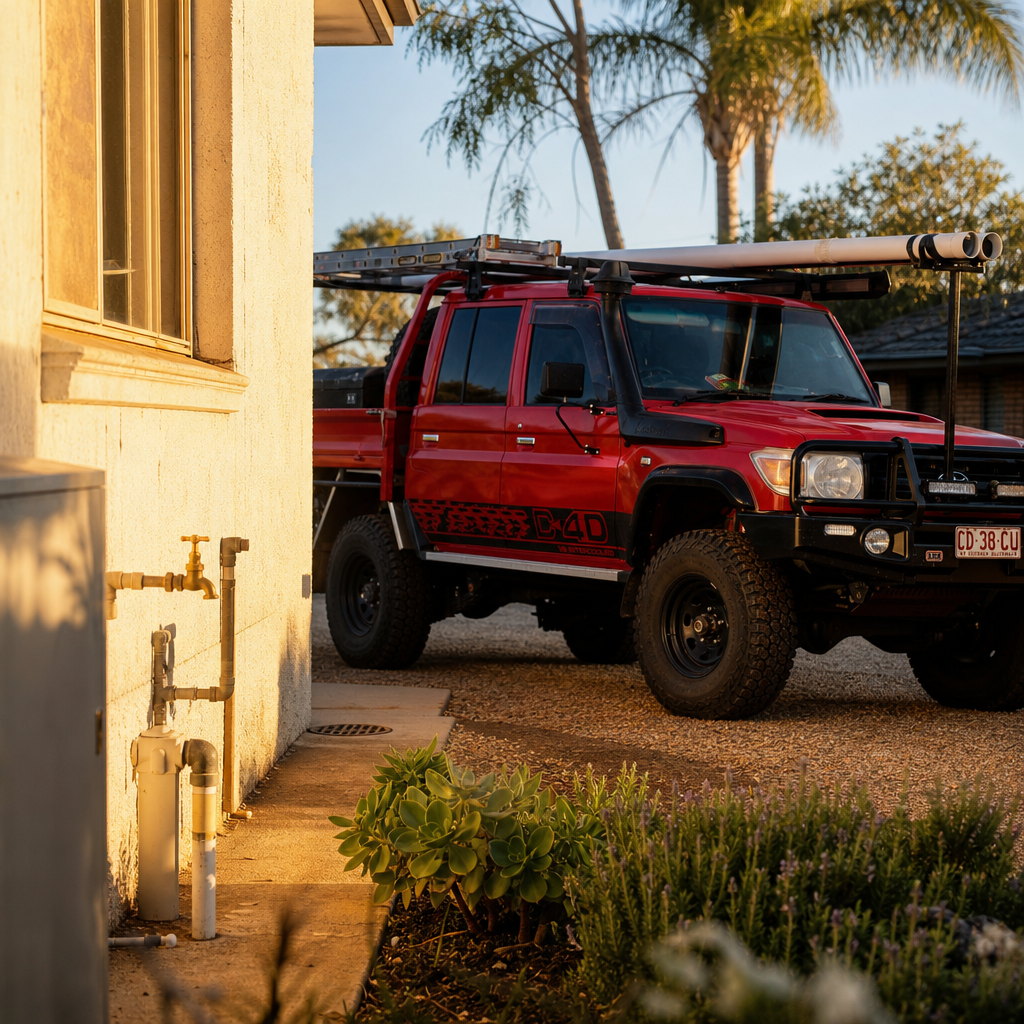
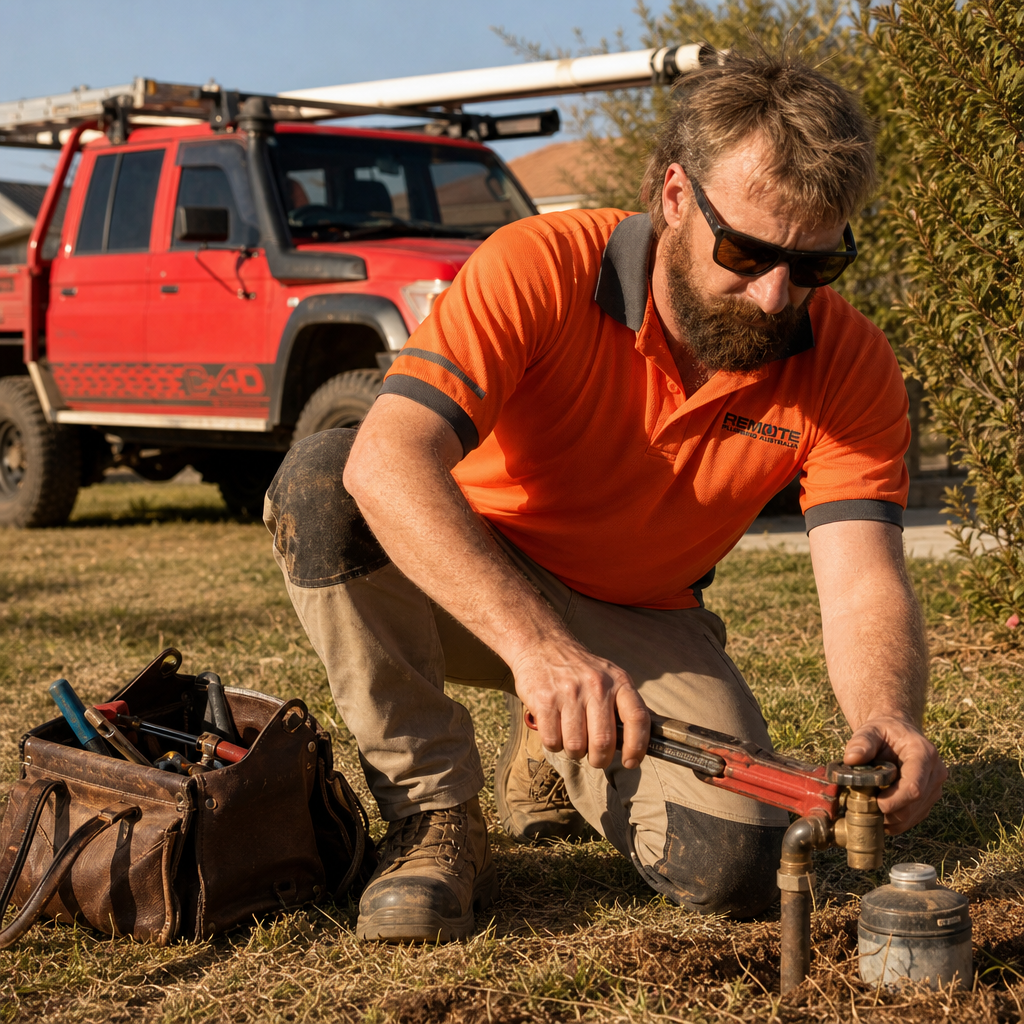
Outdoor taps are the ones most people forget. If you have a garden tap that has not been used much over winter, give it a turn on and off and check that it seats properly. Frost is not common in Mildura but we do get cold nights, and taps that have been sitting unused can develop small issues that go unnoticed until summer when you actually need them.
3. Run Water Through Every Drain and Watch What Happens
Blocked drains rarely block completely overnight. They slow down first. Run water in your kitchen sink, bathroom basin, shower, and bath if you have one. Watch how quickly it drains. A healthy drain clears fast. If water is sitting and taking its time, there is a partial blockage building somewhere in that line.
The most common situation we see is a shower or basin that drains slowly and has been that way for so long the household has just accepted it as normal. It is not normal, and it will keep getting worse. Kitchen drains in particular tend to collect grease and food residue over winter when cooking ramps up, so if your kitchen sink is sluggish, that is worth attending to sooner rather than later.
While you are checking drains, also take a look at any inspection points or external drain covers on the property. Make sure they are clear of debris and sitting properly. A blocked external drain can cause water to back up in ways that are inconvenient at best and damaging at worst.
4. Check Under Sinks and Around Toilet Bases
Open the cupboard under your kitchen and bathroom sinks and actually look inside. Check the pipes, the connections, and the base of the cupboard itself. Moisture or water staining in there means something has been leaking, possibly slowly, for a while. Timber cabinetry soaks up water quietly and by the time you smell mustiness or see visible damage, the leak has been going on longer than you would want.
At the toilet, have a look at the base where it meets the floor. Any discolouration, soft flooring, or movement when you sit on it is a sign worth acting on. Also press the button and watch the cistern fill. If it keeps running for longer than it should, or if you can hear a faint hissing after the fill cycle ends, the inlet valve or flapper inside the cistern is likely worn and wasting water continuously. These are not dramatic failures but they are steady, silent drains on your water bill and your infrastructure.
5. Know Where Your Mains Shut Off Is
This is not a maintenance check in the traditional sense but it is genuinely one of the most practical things you can do today. Find your main water shut off valve and make sure it actually turns off the water when you operate it. In most Mildura homes it will be near the front boundary, often inside a small ground level box. Some older properties have valves that have not been touched in years and can be stiff or partially seized.
Knowing where this is and knowing it works can make a significant difference in an emergency. If a pipe bursts or a fitting fails inside the house, the first thing you or a plumber needs to do is get the water off. Fumbling around trying to find the valve while water runs is not a situation anyone wants to be in. Two minutes now to locate it and give it a turn is time well spent.
When to Call Rather Than Watch and Wait
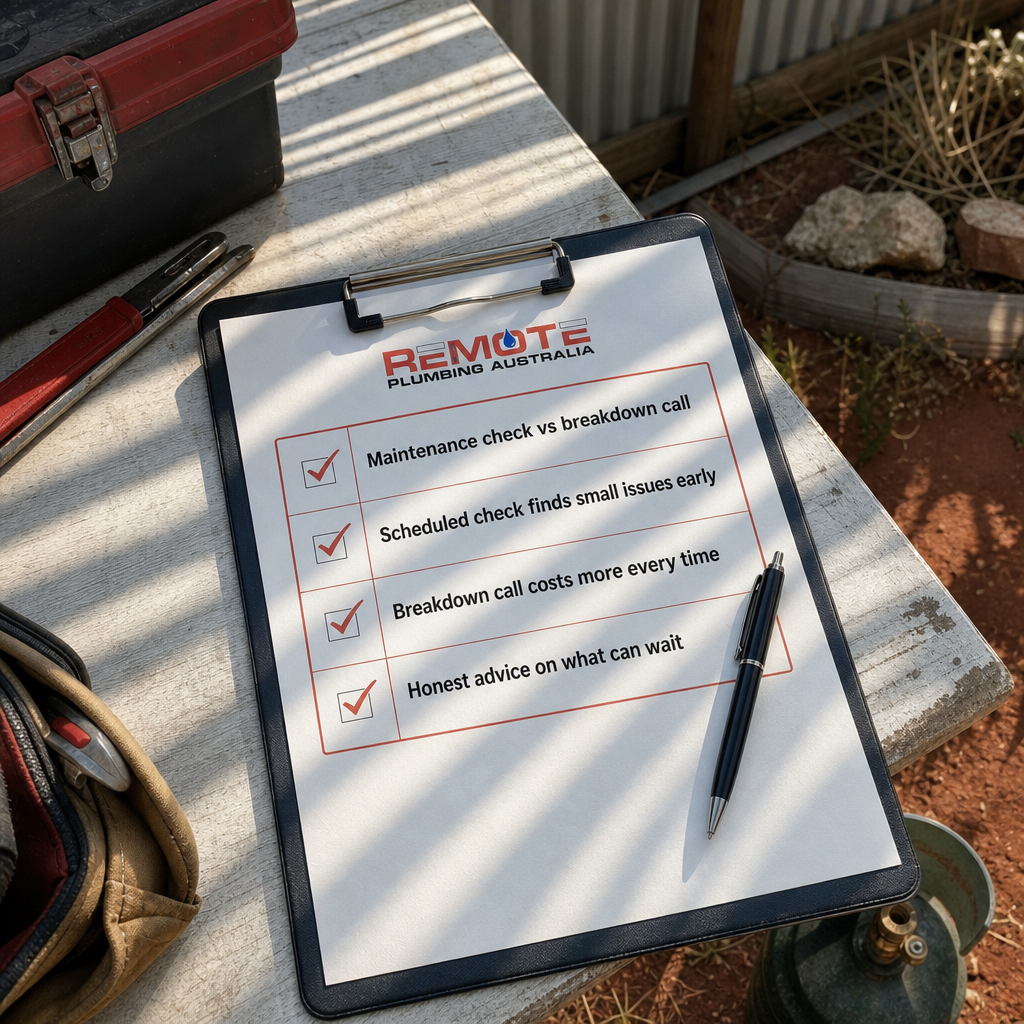
Some of what you find during these checks will be minor and worth monitoring. But certain things are worth calling a plumber about promptly. Any active water leak, a hot water system showing signs of failure, a drain that has backed up completely, or anything that feels unfamiliar and you are not sure about. Getting a straight answer from a licensed plumber does not commit you to anything. It just means you are making informed decisions about your home rather than guessing.
These five checks take less than half an hour to run through. Done regularly, they give you a much clearer picture of how your plumbing is actually travelling and enough lead time to deal with things on your schedule rather than in a panic. That is worth a bit of time on a winter morning in Mildura.
Need a plumber in Mildura? Call Brad on 0411 755 399 or visit remoteplumbingaustralia.com.au